
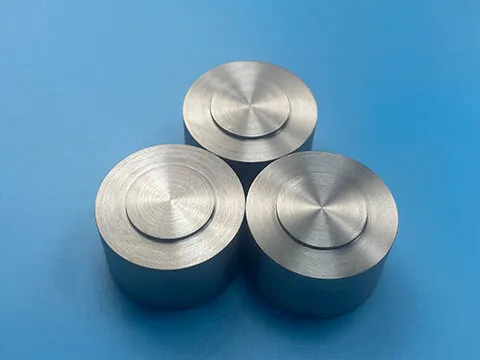
Niobium alloy has emerged as a transformative material in metallurgy, revolutionizing aerospace, automotive, and construction industries. This advanced alloy offers a range of unique benefits that make it an ideal choice for high-performance applications, particularly where strength, durability, and resistance to extreme conditions are paramount.
Key Advantages of Niobium Alloy

Heat and Corrosion Resistance
Niobium alloy is renowned for its exceptional resistance to heat and corrosion. It can endure extreme temperatures and harsh environments, making it indispensable for components exposed to severe conditions. This capability ensures the longevity and reliability of parts, significantly reducing the frequency of maintenance and replacements.
Lightweight and High Strength
The alloy’s high strength-to-weight ratio is a critical advantage, especially in industries like aerospace and automotive. Its lightweight nature contributes to improved fuel efficiency and reduced carbon emissions. The strength of niobium alloy allows for the creation of lighter, yet more robust, components, which are essential for advancing the performance and efficiency of vehicles and aircraft.
As the demand for niobium alloy continues to rise, understanding its potential applications becomes increasingly important. This article delves into the various uses of niobium alloy across different sectors, highlighting how it enhances product performance and shapes the future of manufacturing.
Whether you are an engineer seeking innovative solutions or a business owner looking to optimize production processes, niobium alloy offers unparalleled performance and efficiency. Join us as we explore the remarkable benefits of this versatile material.
Advantages of Niobium Alloy

Exceptional Heat Resistance
Niobium alloy’s ability to withstand extremely high temperatures makes it ideal for use in applications like aerospace components and industrial furnaces. This resistance to heat not only enhances the durability of the alloy but also extends the lifespan of critical parts, minimizing the need for frequent maintenance.
Superior Corrosion Resistance
The corrosion resistance of niobium alloy is another significant advantage. It forms a protective oxide layer on its surface, safeguarding it from corrosive environments. This property is especially valuable in industries such as chemical processing, marine applications, and infrastructure development, where components are regularly exposed to aggressive chemicals and environmental factors.
Outstanding Mechanical Properties
With a high strength-to-weight ratio and excellent ductility, niobium alloy is an attractive option for applications where weight reduction is crucial. Its mechanical properties allow for the design and production of lighter, more fuel-efficient vehicles and aircraft. This not only improves energy efficiency but also contributes to lower carbon emissions, supporting environmental sustainability.
Types of Niobium Alloy

Niobium alloy is a composite material that primarily consists of niobium, combined with other elements to enhance its properties. Here are some key types of niobium alloys:
Nb-Ti (Niobium-Titanium) Alloy
Combining the strength and corrosion resistance of niobium with the ductility and thermal conductivity of titanium, Nb-Ti alloy is widely used in aerospace, automotive, and medical industries. It is particularly valued for its balanced properties, which make it suitable for a variety of demanding applications.
Nb-Zr (Niobium-Zirconium) Alloy
Nb-Zr alloy offers improved high-temperature strength and creep resistance. These properties make it ideal for producing superalloys and components that operate at elevated temperatures, such as those found in the aerospace and nuclear industries.
Nb-Hf (Niobium-Hafnium) Alloy
With exceptional resistance to oxidation and high-temperature strength, Nb-Hf alloy is perfect for manufacturing refractory metals and components used in extreme environments. Its applications include aerospace, nuclear reactors, and other high-stress settings.
Ta-Nb (Tantalum-Niobium) Alloy
This alloy combines the high corrosion resistance and biocompatibility of tantalum with the strength and heat resistance of niobium. It is particularly useful in the medical industry for implants and surgical instruments, as well as in chemical processing and electronics.
Other Niobium Alloys
There are additional niobium alloy compositions, such as Nb-W (niobium-tungsten) and Nb-Mo (niobium-molybdenum), each offering unique properties. These alloys are tailored to meet the specific needs of various industries, from electronics and energy to medical and defense applications.
Applications of Niobium Alloy in Different Industries
Niobium alloy’s unique properties make it highly sought after across a range of industries. Here’s a closer look at how different sectors utilize this versatile material:
Aerospace Industry
Niobium alloy is essential in the aerospace sector for manufacturing turbine blades, rocket nozzles, and heat shields. Its high strength-to-weight ratio and heat resistance make it ideal for aircraft and spacecraft components, contributing to better fuel efficiency, lower emissions, and enhanced safety.
Automotive Industry
In the automotive industry, niobium alloy is used in engine parts, exhaust systems, and structural components. Its mechanical properties and corrosion resistance help reduce vehicle weight, improve fuel efficiency, and extend the lifespan of critical parts, supporting the development of more eco-friendly transportation solutions.
Construction and Infrastructure
Niobium alloy is used to enhance the performance of high-strength steel and concrete in construction. By adding niobium, the strength, durability, and corrosion resistance of these materials are improved, making them ideal for building bridges, skyscrapers, and other large structures. This results in safer, more durable infrastructure with reduced maintenance requirements.
Medical Industry
The biocompatibility and corrosion resistance of niobium alloy make it valuable for medical applications, including implants and surgical instruments. These properties ensure that medical devices made from niobium alloy are safe, reliable, and long-lasting.
Chemical Processing
In chemical processing, niobium alloy is used in equipment that must withstand corrosive substances. Its corrosion resistance ensures the longevity and reliability of this equipment, even under harsh conditions.
Electronics
Niobium alloy is utilized in electronic components such as capacitors and superconducting materials. Its excellent electrical properties are crucial for the development of efficient and high-performance electronic devices.
Energy Sector
The energy industry benefits from niobium alloy in nuclear reactors and power generation equipment. Its ability to withstand high temperatures and mechanical stress makes it ideal for components in these high-stakes environments, contributing to safer and more efficient energy production.
Comparison of Niobium Alloy with Other Materials
When selecting materials for high-performance applications, it’s essential to compare niobium alloy with other options to ensure the best fit for your needs:
Niobium vs. Titanium Alloys
Both niobium and titanium alloys offer strength and heat resistance, but they excel in different areas. Niobium alloy is better suited for applications requiring higher temperature tolerance, while titanium alloys are lighter and excel in fatigue resistance, making them ideal for aerospace components.
Niobium vs. Stainless Steel
Niobium alloy offers superior corrosion resistance compared to stainless steel, especially in extreme environments. While stainless steel is more cost-effective and suitable for many applications, niobium is preferred for high-temperature and highly corrosive conditions.
Niobium vs. Tantalum Alloys
Both niobium and tantalum alloys are highly resistant to corrosion and heat. However, tantalum is denser and more expensive, making niobium a more practical and versatile choice for many applications. Tantalum is used in specialized cases where its unique properties are essential.
Niobium vs. Molybdenum Alloys
Niobium and molybdenum alloys are both strong and heat-resistant, but molybdenum can handle even higher temperatures. Niobium alloy, while not as heat-resistant, offers better corrosion resistance, making it suitable for applications where both factors are important. Molybdenum is chosen for extreme temperature conditions, while niobium is favored for its balanced properties.
Conclusion
Niobium alloy is a game-changer in numerous industries, offering exceptional heat resistance, corrosion protection, and strength. Its application in aerospace, automotive, construction, and other sectors highlights its versatility and superior performance. As industries continue to seek advanced materials, niobium alloy’s role becomes increasingly significant, offering solutions that enhance efficiency, sustainability, and product longevity.
If you’re looking to explore how niobium alloy can benefit your projects, contact us today. Discover the remarkable advantages of niobium alloy and how it can transform your products and processes.