
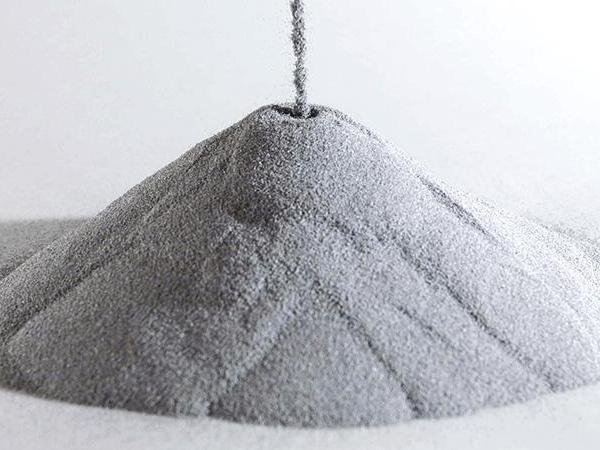
The realm of powdered metal manufacturing plays a crucial role in various industries by providing innovative materials and solutions. These manufacturers specialize in creating high-quality metal powders that are used in diverse applications, from automotive components to medical devices.
In recent years, the demand for powdered metal parts has surged due to their efficiency and versatility in manufacturing processes. This method allows for the creation of complex shapes and high-performance materials while minimizing waste. As businesses seek sustainable and cost-effective solutions, the adoption of powder metallurgy continues to grow across multiple sectors.
Understanding the capabilities and advancements in powdered metal manufacturing can equip companies with the knowledge needed to make informed decisions. Exploring the offerings of various manufacturers reveals innovative approaches and technologies that can drive future developments in material science.
The Powdered Metal Manufacturing Process
The powdered metal manufacturing process involves several critical stages. These stages include the initial production of metal powders, various shaping methods, sintering for bonding, and rigorous quality control to ensure precision in the final components.
Overview of the Production Process
Powdered metal manufacturing begins with producing metal powders. This typically involves methods such as atomization, where molten metal is dispersed into fine particles, or mechanical milling, which grinds larger pieces into powder.
Once the powder is produced, it undergoes compaction. In this step, the powder is packed into a die under high pressure to form a preform shape. The preforms are then subjected to sintering, where they are heated to just below the melting point. This step allows the particles to bond without fully melting, creating a solid and dense component.
Quality Control Measures in Manufacturing
Quality control is essential throughout the powdered metal manufacturing process. A series of tests and inspections are conducted to ensure that the metal powders have the desired particle size, distribution, and purity.
After compaction and sintering, components are often subjected to mechanical testing to evaluate their strength and durability. Non-destructive testing techniques, such as ultrasonic testing or radiography, may also be employed to detect internal flaws.
Documentation of each batch and its specifications enables traceability, ensuring that manufacturers can maintain compliance with industry standards.
Innovations in Manufacturing Processes
Innovations in powdered metal manufacturing continue to enhance efficiency and product quality. For instance, advancements in computer-aided design (CAD) allow for more complex shapes that were previously difficult to achieve.
Additionally, techniques like metal injection molding (MIM) are increasingly used to produce small, intricate parts. This process combines powders with a binder material, allowing for the creation of detailed shapes before sintering.
Sustainability practices are also gaining momentum, with manufacturers focusing on minimizing waste and energy consumption. These innovations not only improve production efficiency but also reduce environmental impact.
Key Players in the Powdered Metal Industry

The powdered metal industry features several notable manufacturers that play crucial roles in market dynamics. This section explores the leading companies, their capabilities, and trends driving the industry forward.
Market Trends and Emerging Companies
The powdered metal industry is experiencing significant trends that shape its future. The increasing demand for lightweight and high-strength materials is driving growth. The aerospace and automotive sectors are particularly focused on these characteristics.
Emerging companies that focus on additive manufacturing and specialty metal powders are gaining traction. Startups are leveraging new technologies to produce niche powders for unique applications, contributing to a competitive landscape.
Investments in research are also growing, indicating a shift toward customized materials and innovative applications.
Applications of Powdered Metals
Powdered metals are integral to various industries due to their unique properties and manufacturing processes. Their applications range from precision components in automotive and aerospace sectors to critical uses in medical devices and consumer products.
Use in Automotive and Aerospace Industries
In the automotive and aerospace sectors, powdered metals are vital for producing components that require high strength-to-weight ratios. Parts such as gears, bearings, and bushings benefit from powder metallurgy, which allows for complex geometries and reduced waste.
The manufacturing method enhances the performance and reliability of components subjected to extreme conditions. The ability to create customized alloys also ensures that specific mechanical properties are tailored to application requirements, providing enhanced durability and performance.
Applications in Medical Devices and Tools
Medical devices increasingly rely on powdered metals to meet stringent safety and performance standards. Examples include components for implants, surgical instruments, and dental fixtures.
Powder metallurgy facilitates the production of intricate shapes and precise tolerances, essential for fitting and functionality in medical applications. Materials such as titanium and stainless steel are commonly used due to their biocompatibility and resistance to corrosion, making them ideal for long-term use within the human body.
Role in Consumer Products and Electronics
In the consumer products and electronics industries, powdered metals are utilized for their efficiency and versatility. Components like heat sinks, connectors, and casings benefit from powder metallurgy’s ability to create lightweight and thermally conductive parts.
The process allows manufacturers to produce high volumes of components with consistent quality. This method also supports the production of intricate designs not easily achievable through traditional manufacturing methods, providing businesses with a competitive edge in innovation and functionality.
Conclusion
The role of powdered metal manufacturers is critical in advancing various industries. Their processes enable the production of high-quality components while optimizing costs and material usage. The following sections explore their significance, future prospects, and the broader impact on technology and manufacturing.
Recap of the Significance of Powdered Metal Manufacturers
Powdered metal manufacturers provide essential services that enhance production efficiency. Their techniques, including pressing and sintering, yield components with superior precision. This is particularly important in industries such as automotive, aerospace, and medical, where exact specifications are crucial.
The ability to create complex geometries using less material offers significant advantages. It reduces waste and lowers production costs, making it an appealing alternative to traditional subtractive methods. Manufacturers are increasingly adopting these methods to maintain competitiveness in a rapidly evolving market.
Future Outlook for the Industry
The future of powdered metal manufacturing appears promising. As industries push for lightweight materials and intricate designs, the demand for powdered metals is expected to rise. Innovations in additive manufacturing and advancements in metal powder production will likely drive this growth.
Investments in research and development are essential for staying ahead. Emerging technologies may enable new applications across diverse sectors. Furthermore, increasing environmental regulations may lead manufacturers to adopt powder metallurgy for its efficiency and reduced environmental impact.
Final Thoughts on the Impact of Powdered Metals on Technology and Manufacturing
The impact of powdered metals extends beyond manufacturing. They are integral in developing advanced technologies, including renewable energy systems and innovative medical devices.
As businesses aim for sustainability, powdered metallurgy provides a pathway to reduce resource consumption. The efficiency in production that these manufacturers offer positions them at the forefront of future industrial advancements.
The ongoing collaboration between researchers and manufacturers will enhance material properties and lead to the development of new applications. This synergy will be vital for shaping the future landscape of technology and manufacturing.