
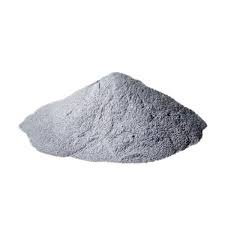
Titanium alloy powder is an important material known for its strength and lightweight properties. This type of powder is used in various industries, including aerospace and medical, due to its excellent corrosion resistance and high-temperature performance. As technology advances, the demand for titanium alloy powder continues to grow, making it a popular choice for modern manufacturing processes.
What makes titanium alloy powder stand out is its ability to be shaped and molded for specific applications. This versatility allows manufacturers to create complex designs that are both durable and efficient. With an array of benefits, it is no surprise that industries are increasingly turning to titanium alloy powder for innovative solutions.
Understanding the properties and uses of titanium alloy powder can open doors to numerous possibilities in engineering and architecture. As the momentum builds in this area, staying informed on advancements can prove valuable for professionals in many fields.
Key Takeaways
- Titanium alloy powder offers strength and corrosion resistance.
- It is widely applied in aerospace and medical industries.
- Its versatility allows for complex design and efficient manufacturing.
Properties of Titanium Alloy Powder
Titanium alloy powder exhibits unique properties that make it valuable in various industries. These properties include physical, chemical, and mechanical characteristics that enhance its performance in different applications.
Physical Properties
Titanium alloy powder has a low density, typically around 4.5 g/cm³, which makes it lightweight. This property is crucial for aerospace and automotive applications where minimizing weight is important.
The powder often has a fine particle size, usually ranging from 20 to 100 microns. This size contributes to better flow characteristics during processing. The shape of the particles can be irregular or spherical, impacting how well they pack together in manufacturing.
Color is another notable physical property. The powder can appear gray or dark metallic, depending on its specific alloy composition.
Chemical Properties
Titanium alloy powder is highly resistant to corrosion, making it suitable for harsh environments. It does not easily react with oxygen at room temperature, which adds to its durability.
The chemical composition varies among different titanium alloys. For example, adding aluminum or vanadium can improve strength and stiffness. These additions also impact the alloy’s oxidation resistance and overall stability.
Titanium is inert against many acids, excluding concentrated nitric or sulfuric acid, which allows it to maintain integrity in various chemical processes.
Mechanical Properties
The mechanical properties of titanium alloy powder are impressive. It has a high tensile strength, which often exceeds 900 MPa, allowing it to withstand significant stress without breaking.
Its elasticity is another important feature, with a modulus of elasticity around 110 GPa. This property allows components made from the powder to deform under load without permanent damage.
Ductility is also a key aspect, as titanium alloys can be stretched into thinner shapes without fracturing. This makes them suitable for complex designs and applications requiring detailed features.
Applications and Uses
Titanium alloy powder has various important applications across multiple industries. Its unique properties make it suitable for use in aerospace, medical, and automotive fields. Each of these areas benefits from the strength, lightweight nature, and corrosion resistance of titanium alloys.
Aerospace Industry
In the aerospace industry, titanium alloy powder is essential for creating aircraft components. It is used in parts like engine components, airframes, and landing gear.
Titanium alloys are preferred because they can withstand high temperatures and pressure. They are also lighter than traditional metals, which helps improve fuel efficiency.
The combination of strength and low weight is vital for aircraft performance and safety. Using titanium can lead to enhanced designs and innovative engineering solutions.
Medical Field
In the medical field, titanium alloy powder is used to make implants and surgical instruments. Its biocompatibility means it can be safely used in the human body.
Common applications include orthopedic implants like joint replacements and dental fixtures. The corrosion resistance of titanium ensures these devices last a long time without degrading.
These alloys promote healing and have a lower risk of rejection by the body. They are a reliable choice for life-saving medical procedures.
Automotive Engineering
Titanium alloy powder plays a significant role in automotive engineering as well. It is used to produce high-performance components like exhaust systems and connecting rods.
The lightweight nature of titanium helps reduce the overall weight of vehicles. This leads to improved fuel efficiency and better performance.
Additionally, titanium alloys provide excellent resistance to heat and corrosion, making them ideal for parts exposed to extreme conditions. This makes them a valuable material for modern car design.
Frequently Asked Questions
This section answers common questions about titanium alloy powder. It includes information on its uses, pricing factors, purchasing options, quality impacts, and sources in the United States.
How is titanium alloy powder utilized in various industries?
Titanium alloy powder is used in many fields, including aerospace, medical, and automotive industries. It is favored for its strength, lightweight properties, and corrosion resistance. In aerospace, it forms parts like aircraft components. In medicine, it is used for implants and surgical tools.
What are the factors that influence the price of titanium alloy powder?
Several factors affect the price of titanium alloy powder. The cost of raw materials, production methods, and market demand are key influences. Additionally, quality and particle size can also impact pricing. Economic conditions and supply chain issues might cause price fluctuations.
Where can I purchase high-quality titanium alloy powder for additive manufacturing?
High-quality titanium alloy powder can be bought from specialized suppliers and manufacturers. Many companies offer products specifically for additive manufacturing. Online marketplaces and trade shows are also good places to find reliable sellers.
What is the cost comparison between titanium powder and traditional titanium materials?
Titanium powder tends to be more expensive than traditional titanium materials. The additional processing required for powder production contributes to this higher cost. However, powder allows for more complex shapes in manufacturing, which can justify the price in some cases.
How does the quality of titanium alloy powder affect its performance in 3D printing?
The quality of titanium alloy powder is crucial for 3D printing. Higher quality powder leads to better surface finish and mechanical properties of printed parts. Contaminants or inconsistent particle size can result in defects during manufacturing.
What are the leading sources for titanium alloy powder in the United States?
Several companies are recognized as leading suppliers of titanium alloy powder in the United States. These include well-established manufacturers that specialize in metal powders. They provide materials for various applications, ensuring consistent quality and reliable service.