
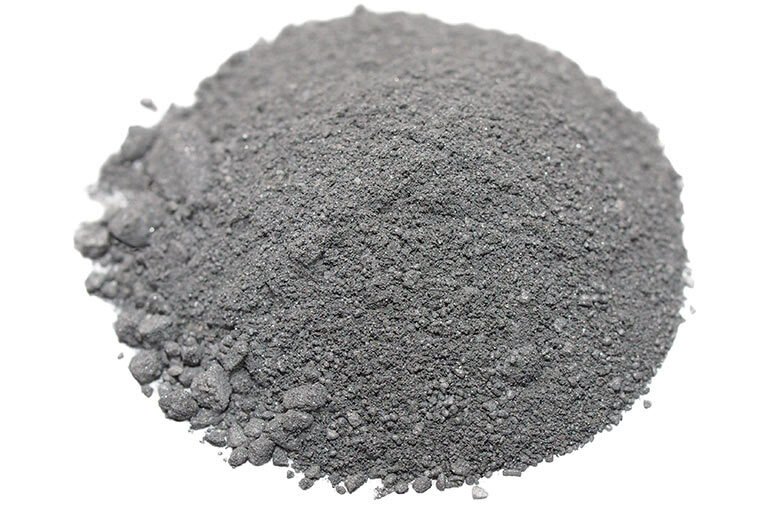
Titanium powder is a valuable material with many industrial applications. Buying high-quality titanium powder is essential for achieving the best results in manufacturing and engineering projects. The process of selecting the right supplier can greatly impact the efficiency and effectiveness of various applications, from 3D printing to aerospace components.
For those entering the market, it’s important to know what to consider when purchasing titanium powder. Factors such as particle size, purity, and source of the material play significant roles in the final products. Understanding these elements will help buyers make informed decisions that meet their specific needs.
As interest in titanium powder continues to grow, so do the options available for purchase. This blog post will guide readers through the key aspects of buying titanium powder, ensuring they feel confident in their choices.
Key Takeaways
- Titanium powder is crucial for various industrial uses.
- Key factors include purity, particle size, and supplier reputation.
- Making informed choices will enhance project success.
Understanding Titanium Powder
Titanium powder has unique properties and various uses in industries like aerospace, automotive, and medical fields. Knowing its characteristics, production methods, and different types can help buyers make informed decisions.
Properties and Characteristics
Titanium powder is known for its high strength-to-weight ratio. It is robust yet light, making it ideal for applications where weight is a critical factor.
- Corrosion Resistance: It withstands corrosion, which is important in harsh environments.
- Biocompatibility: Titanium is safe for use in medical implants.
- High Melting Point: It can endure extreme temperatures without losing integrity.
These properties make titanium powder valuable in creating strong, durable products.
Production Methods
Titanium powder is made through various techniques, including:
- Hydride-Dehydride Process: Titanium is converted to a hydride and then dehydrogenated.
- Atomization: Molten titanium is transformed into powder by forcing it through a nozzle, cooling rapidly.
- Chemical Reduction: Involves reducing titanium compounds using hydrogen or magnesium, producing titanium powder.
Each method has specific advantages based on purity and particle size.
Types and Grades
Different types and grades of titanium powder exist, tailored for specific applications:
- CP (Commercially Pure): Offers excellent ductility but lower strength. Good for general-purpose use.
- Alloyed Grades: Such as Ti-6Al-4V, which combines titanium with aluminum and vanadium for high strength.
- Spherical Powder: Preferred for additive manufacturing due to its flow characteristics.
Selecting the right type depends on the application requirements and desired properties. Understanding these variations can enhance product performance and longevity.
Purchasing Titanium Powder
When buying titanium powder, it is important to find trustworthy suppliers, consider pricing factors, and ensure quality meets industry standards. Each of these aspects plays a role in making informed purchasing decisions.
Identifying Reliable Suppliers
Finding a good supplier is key to buying titanium powder. Start by researching companies with a strong reputation in the market. Look for suppliers who specialize in metal powders and have experience in the industry.
Checking customer reviews and ratings can provide insights into their reliability. It’s helpful to ask for recommendations from industry peers or professionals. Additionally, ensure that the supplier has proper certifications, like ISO standards, which indicate they follow quality management processes.
A reliable supplier will also be transparent about their sourcing and manufacturing practices. This transparency helps ensure the powder’s consistency and purity.
Cost Factors and Budgeting
The price of titanium powder can vary based on several factors. These include the type of titanium used, production methods, and purity levels. Pure titanium powder generally costs more than alloyed powders.
When budgeting, buyers should consider shipping and handling costs. Bulk purchases may offer reduced rates but require a larger upfront investment.
It’s essential to compare prices from multiple suppliers while keeping in mind the quality offered. A lower price might indicate inferior quality, leading to unexpected costs later. Establishing a clear budget helps narrow down options effectively.
Quality Assurance and Standards
Quality is crucial when purchasing titanium powder. Buyers should look for products that meet recognized industry standards, such as ASTM or ISO certifications. These standards ensure the powder has the desired properties for their intended applications.
Requesting test reports or certificates of analysis from suppliers helps verify that the powder meets specifications. It’s also wise to inquire about the supplier’s quality control processes.
Consistent quality affects the performance and durability of end products. Thus, investing time in understanding the quality assurance practices of suppliers can lead to better purchasing outcomes.
Frequently Asked Questions
Titanium powder has a variety of uses across different fields, including fireworks, industry, and manufacturing. Understanding its applications and associated considerations can help in making informed decisions.
How is titanium powder utilized in fireworks?
Titanium powder is used in fireworks to create brilliant white sparks. When ignited, it burns at a high temperature, producing bright flashes of light. This effect enhances the visual display in fireworks shows.
What are the industrial applications of titanium powder?
In industry, titanium powder is commonly used for producing parts in aerospace and automotive sectors. It is valued for its strength-to-weight ratio and corrosion resistance. These properties make it ideal for high-performance applications, like jet engines and medical devices.
What is the cost range for titanium powder per kilogram?
The cost of titanium powder typically ranges from $50 to $200 per kilogram. The price can vary based on factors like purity and particle size. Buyers should check current market rates for the most accurate pricing.
Can titanium powder be used in 3D printing, and if so, how?
Yes, titanium powder is frequently used in 3D printing, particularly in the selective laser melting (SLM) process. It allows for creating complex and lightweight structures. This capability is especially useful in aerospace and medical device manufacturing.
What are the risks associated with handling titanium powder?
Handling titanium powder poses certain risks, including fire and explosion hazards. The fine particles can ignite easily when exposed to heat or sparks. Proper safety measures, such as using protective gear and proper ventilation, are essential.
Are there any alternatives to titanium powder for certain applications?
Yes, there are alternatives to titanium powder, like aluminum and stainless steel powders. These materials can be used depending on the required properties. Each alternative has its own advantages and disadvantages for specific applications.