
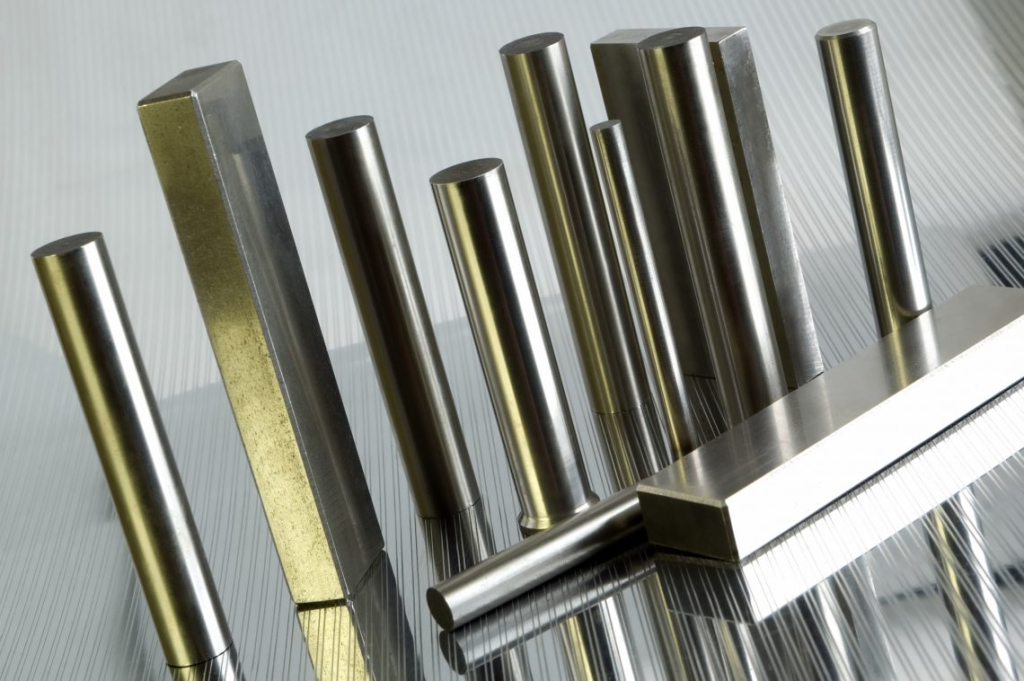
Tantalum alloys are distinguished by their remarkable properties, making them essential in a variety of high-tech and industrial applications. As a rare and robust blue-gray metal, tantalum is inherently resistant to corrosion and exhibits excellent thermal and electrical conductivity. When alloyed with other metals, its intrinsic properties are significantly enhanced, creating materials that are both stronger and more versatile. These advanced alloys are critical in environments where conventional metals cannot perform, making them indispensable in the modern industrial landscape.

Overview of Tantalum Alloys
Tantalum alloys are typically composed by alloying tantalum with metals such as tungsten, niobium, hafnium, and molybdenum. This combination results in materials with superior strength, durability, and resistance to high temperatures and aggressive chemical environments. The unique attributes of tantalum alloys make them suitable for applications in cutting-edge technologies and demanding industrial processes.
Importance in Modern Industries

The significance of tantalum alloys in contemporary industries cannot be overstated. These materials are integral to several key sectors, including:
- Electronics and Semiconductors: Tantalum alloys are essential in the manufacturing of capacitors and other electronic components, ensuring stability and reliability in devices such as smartphones, computers, and advanced electronic systems.
- Aerospace and Defense: The aerospace and defense industries rely on tantalum alloys for critical high-stress, high-temperature applications, including turbine blades and structural components in jet engines and space exploration vehicles.
- Medical Devices: Tantalum alloys’ biocompatibility and durability make them ideal for medical implants and surgical instruments. Their inert nature ensures they do not react adversely with body tissues, promoting safe and effective medical treatments.
- Chemical Processing: In chemical processing plants, tantalum alloys are used in equipment that must withstand harsh corrosive environments, such as reactors and heat exchangers. Their resistance to chemical attack ensures long-term operational integrity.
- Energy Sector: Tantalum alloys are vital in the energy sector, particularly in nuclear reactors and high-temperature power generation systems. Their ability to endure extreme conditions makes them crucial for maintaining safety and efficiency in energy production.
The versatility and exceptional properties of tantalum alloys render them indispensable in these sectors, providing solutions where other materials fail. As technological advancements continue, the demand for such robust and reliable materials is expected to grow, further highlighting their pivotal role in modern industry.
Types of Tantalum Alloys
Tantalum-Tungsten Alloys
Tantalum-tungsten alloys are renowned for their outstanding mechanical strength and resistance to high temperatures. These alloys are particularly valued in aerospace and defense applications where materials are subjected to extreme stress and thermal conditions. Additionally, their excellent corrosion resistance makes them suitable for use in chemical processing environments, where they can withstand aggressive substances without degrading.
Tantalum-Niobium Alloys
Combining the properties of tantalum and niobium, these alloys offer exceptional resistance to corrosion and superb thermal and electrical conductivity. Tantalum-niobium alloys are widely used in the electronics industry for the production of reliable and high-performance components. Furthermore, their biocompatibility and durability make them suitable for medical applications, including implants and surgical instruments.
Tantalum-Hafnium Alloys
Tantalum-hafnium alloys are characterized by their high melting points and remarkable strength. These properties make them ideal for high-temperature applications in the aerospace industry, such as turbine blades and rocket nozzles. The addition of hafnium enhances the alloy’s ability to withstand thermal stress, making it a reliable choice for components exposed to extreme heat.
Tantalum-Molybdenum Alloys
Tantalum-molybdenum alloys provide a balanced combination of strength, ductility, and corrosion resistance. These properties make them suitable for a broad range of industrial applications, including the manufacturing of chemical processing equipment and components for high-temperature furnaces. The presence of molybdenum improves the alloy’s overall mechanical properties, offering durability and longevity in demanding environments.
Applications of Tantalum Alloys
Electronics Industry
- Capacitors: Tantalum alloys are integral in the production of capacitors, which are crucial components in electronic devices. Their stable electrical properties ensure reliable performance in a wide range of consumer electronics, from smartphones to sophisticated computing systems.
Aerospace Industry
- Turbine Components: Tantalum alloys are used in the aerospace industry to manufacture components such as turbine blades and vanes. These materials can endure the extreme temperatures and mechanical stresses encountered in jet engines and rocket propulsion systems, enhancing overall performance and safety.
Medical Devices
- Implants: The biocompatibility and durability of tantalum alloys make them ideal for orthopedic and dental implants. These materials do not elicit adverse reactions in the body, promoting healing and integration with bone tissue, which is essential for successful medical procedures.
- Surgical Instruments: Tantalum alloys are used to manufacture high-quality surgical instruments. Their ability to withstand repeated sterilization processes ensures the safety and effectiveness of these tools in medical settings.
Chemical Processing
- Corrosion-Resistant Equipment: In the chemical processing industry, tantalum alloys are employed in the construction of equipment such as heat exchangers and reactors. Their resistance to corrosive chemicals ensures the longevity and reliability of these critical components, minimizing maintenance costs and downtime.
Energy Sector
- Nuclear Applications: Tantalum alloys are crucial in nuclear reactors due to their capacity to absorb neutrons and withstand high levels of radiation. These properties are vital for maintaining the safety and efficiency of nuclear power generation.
- High-Temperature Applications: In power plants, tantalum alloys are used in components such as heat exchangers and turbines. Their ability to maintain structural integrity at high temperatures ensures the efficient operation of these systems, contributing to overall energy efficiency.
Advantages of Using Tantalum Alloys
- High Corrosion Resistance: Tantalum alloys exhibit exceptional resistance to corrosion, making them ideal for use in environments exposed to harsh chemicals. This property is particularly valuable in the chemical processing and energy sectors, where equipment longevity and reliability are paramount.
- Excellent Conductivity: The superior thermal and electrical conductivity of tantalum alloys makes them highly valuable in electronic applications. They enable the efficient functioning of electronic devices by facilitating effective energy storage and dissipation.
- Biocompatibility: Tantalum alloys are biocompatible, meaning they do not react adversely with human tissues. This characteristic is critical for medical applications, such as implants and surgical instruments, ensuring patient safety and successful clinical outcomes.
Challenges in Working with Tantalum Alloys
Despite their many advantages, working with tantalum alloys presents certain challenges that must be addressed to fully capitalize on their benefits:
- Cost Considerations: Tantalum is a rare and valuable metal, primarily obtained as a byproduct of tin mining. The complex refining processes required to produce high-purity tantalum contribute to its high cost, making it more expensive than other common metals such as stainless steel or titanium.
- Machining and Fabrication Challenges: The inherent hardness and toughness of tantalum alloys complicate traditional machining processes. Specialized equipment and techniques are often required to achieve the desired shapes and tolerances without compromising the material’s structural integrity.
- Availability and Supply Chain Management: The global supply of tantalum is limited and subject to geopolitical and regulatory influences. These factors can lead to supply chain uncertainties, affecting the availability of tantalum alloys for industrial applications. Establishing reliable supply chains with trusted suppliers, such as ARS Metal, is essential to ensure consistent access to these critical materials.
Comparing Tantalum Alloys with Other Materials
Understanding how tantalum alloys compare with other materials is crucial for selecting the appropriate material for specific applications:
- Tantalum vs. Titanium Alloys: While both tantalum and titanium alloys offer excellent corrosion resistance, tantalum alloys are superior in highly acidic environments. Titanium alloys, however, are lighter and offer better fatigue resistance, making them suitable for weight-sensitive applications in aerospace and other industries.
- Tantalum vs. Stainless Steel: Tantalum alloys outperform stainless steel in terms of corrosion resistance, especially in harsh chemical environments. They also maintain their strength at higher temperatures, making them a better choice for high-temperature applications. However, the higher cost of tantalum alloys due to their rarity and complex processing may limit their use compared to more economical stainless steel.
- Tantalum vs. Niobium Alloys: Tantalum alloys are generally stronger and more resistant to corrosion than niobium alloys. This makes tantalum a preferred choice for applications requiring robust material performance in demanding environments. Niobium alloys, while offering excellent properties, are typically used in less corrosive environments or where the specific properties of niobium are needed.
Conclusion
Tantalum alloys are indispensable in modern industry due to their exceptional properties, including high corrosion resistance, excellent conductivity, and biocompatibility. These alloys are critical in a wide range of applications, from electronics and aerospace to medical devices and chemical processing. Despite challenges such as high costs and supply chain complexities, the advantages of tantalum alloys make them a valuable choice for advanced technological and industrial applications.
At ARS Metal, we are a premier supplier of high-quality tantalum alloys, with over 15 years of experience in the industry. Whether you are exploring tantalum alloys for new projects or seeking a reliable supplier for ongoing needs, we are committed to providing top-tier materials and expertise. Contact us today to discover how tantalum alloys can enhance your projects and drive success with advanced materials. Together, we can achieve excellence in your industry with the superior performance of tantalum alloys.