Reliable Titanium Plate Manufacturer – METAL for Superior Quality
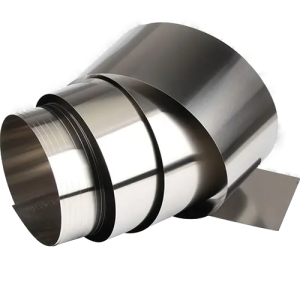
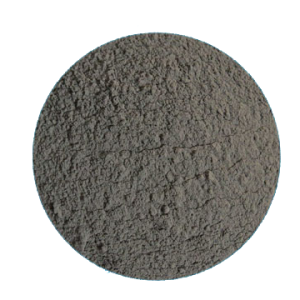
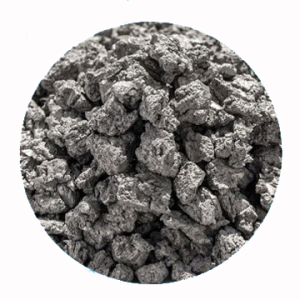
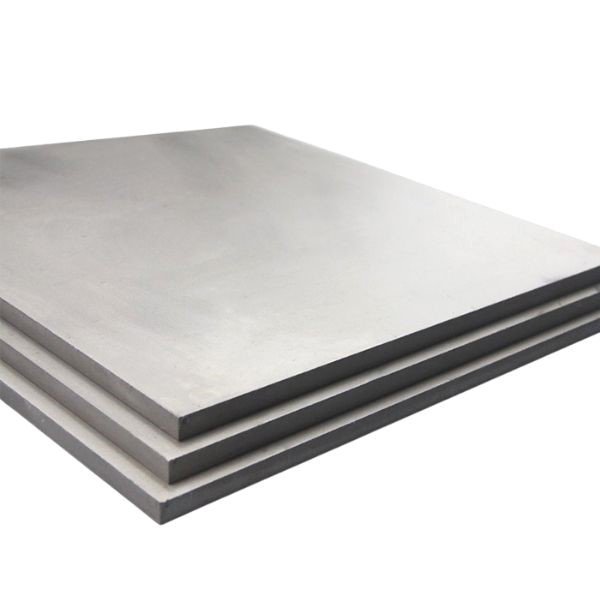
At METAL, we pride ourselves on being a reliable manufacturer of high-quality titanium plates. Our titanium plates are designed to meet the needs of various industries, ensuring strength, durability, and performance. Whether you’re in aerospace, medical, or industrial sectors, our titanium plates provide the superior quality you need for your projects.
We use advanced manufacturing processes and strict quality control measures to produce our titanium plates. Our experienced team is dedicated to delivering products that meet the highest standards. When you choose METAL, you are choosing a trusted partner committed to excellence and customer satisfaction.
Titanium Plate Specifications
| Standard | ASTM B265, AMS 4911, AMS 4916, ASTM F67, ASTM F136 |
| Grade | Gr1, Gr2, Gr3, Gr4, Gr5, Gr7, Gr9, Gr23, etc. |
| Thickness | 0.5mm – 30mm |
| Width | 10mm – 2500mm |
| Technology | Hot-rolled, cold-rolled, hot forging, machining |
| Condition | Cold rolled(Y), hot rolled(R), annealed (M), quenching(C) |
| Surface | Pickling surface, polished surface, black surface |
Titanium Plate Chemical Requirements (Nominal %)
| N | C | H | Fe | O | Al | V | Pa | Mo | Ni | Ti | |
| Gr 1 | 0.03 | 0.08 | 0.015 | 0.2 | 0.18 | / | / | / | / | / | Remaining |
| Gr 2 | 0.03 | 0.08 | 0.015 | 0.3 | 0.25 | / | / | / | / | / | Remaining |
| Gr 3 | 0.05 | 0.08 | 0.015 | 0.3 | 0.35 | / | / | / | / | / | Remaining |
| Gr 4 | 0.05 | 0.08 | 0.015 | 0.5 | 0.4 | / | / | / | / | / | Remaining |
| Gr 5 | 0.05 | 0.08 | 0.015 | 0.4 | 0.2 | 5.5~6.75 | 3.5~4.5 | / | / | / | Remaining |
| Gr 7 | 0.03 | 0.08 | 0.015 | 0.3 | 0.25 | / | / | 0.12~0.25 | / | / | Remaining |
| Gr 9 | 0.03 | 0.08 | 0.015 | 0.25 | 0.15 | 2.5~3.5 | 2.0~3.0 | / | / | / | Remaining |
| Gr12 | 0.03 | 0.08 | 0.015 | 0.3 | 0.25 | / | / | / | 0.2~0.4 | 0.6~0.9 | Remaining |
Why Choose METAL – Premium Titanium Plate Manufacturer
Get A Fast Quote
Unmatched Quality
At METAL, we adhere to the highest quality standards, ensuring that every titanium plate we produce is durable, reliable, and meets rigorous industry specifications.
Advanced Technology
Our state-of-the-art manufacturing facilities are equipped with the latest technology, enabling us to create titanium plates with exceptional precision and consistency.
Experienced Team
Our skilled technicians bring years of expertise to the table, ensuring meticulous attention to detail and superior craftsmanship in every product.
Customer-Centric Service
We are committed to providing outstanding customer service, from personalized technical support to handling custom orders with care and efficiency.
Rapid Delivery
We understand the importance of timely delivery and ensure that our production and logistics processes are streamlined to get your titanium plates to you as quickly as possible without compromising quality.
Quality Assurance of Zirconium Tube: Testing and Certifications
Chemical Composition Analysis
Conduct spectroscopic analysis to verify the zirconium tube’s chemical composition, ensuring it meets the specified alloy requirements.
Dimensional Inspection
Employ precise measurements and dimensional checks to confirm that the zirconium tube adheres to the specified dimensions and tolerances.
Non-Destructive Testing (NDT)
Utilize NDT methods such as ultrasonic testing, eddy current testing, or radiographic testing to identify internal and surface defects without affecting the tube’s integrity.
Heat Treatment Verification
Verify the effectiveness of the heat treatment process by conducting metallurgical examinations to ensure proper grain size and distribution.
Surface Finish Inspection
Evaluate the surface finish through visual inspection and surface profilometry to ensure a smooth and defect-free surface.
Mechanical Property Testing
Perform tests such as tensile testing, hardness testing, and impact testing to assess the mechanical properties, ensuring the tube meets strength and durability requirements.
Corrosion Resistance Testing
Subject the zirconium tube to corrosion resistance tests, such as salt spray testing, to assess its performance in challenging environments.
Hydrostatic Testing
Conduct hydrostatic tests to evaluate the tube’s ability to withstand internal pressure, ensuring it meets safety and performance standards.
Certifications
Obtain relevant certifications and adhere to industry standards to demonstrate compliance with quality requirements. We produce high-quality zirconium (Zr702, Zr704, Zr705), and its alloy (Zr2, Zr4), according to ASTM standards.
Applications Across Industries: Zirconium Tube in Action
Chemical Processing
Zirconium tubes are widely used in the chemical industry for handling corrosive chemicals and acids. Their resistance to corrosion makes them suitable for reactors, heat exchangers, and other chemical processing equipments.
Nuclear Power
Zirconium is a crucial material in nuclear reactors. Zirconium tubes are used in fuel assemblies for their low neutron absorption characteristics, allowing efficient energy production in nuclear power plants.
Aerospace
Zirconium tubes are utilized in aerospace applications, particularly in the manufacturing of components for aircraft engines and other aerospace systems. Their lightweight nature and resistance to high temperatures contribute to their suitability in this industry.
Heat Exchangers and Condensers
Zirconium tubes are commonly used in the construction of heat exchangers and condensers, particularly in industries where resistance to corrosion and high temperatures is crucial.
Offshore Aquaculture
Due to their corrosion resistance and suitability for use in marine environments, zirconium tubes can be used for aquaculture piping systems, desalination units, seawater filtration systems, hydraulic systems and so on.
Marine Industry
Zirconium tubes are used for the manufacture of corrosion-resistant structural components in offshore engineering equipment and ships. The excellent corrosion resistance of zirconium alloys makes zirconium tubes an ideal material for use in seawater, which contains a large amount of salts and chlorides that are extremely corrosive to metallic materials.
How Zirconium Tube Outperforms Its Competitors
Several materials compete with zirconium tubes in various applications, each offering specific advantages.
Zirconium Tubes vs. Stainless Steel Tubes:
Stainless Steel Tubes: Stainless steel is commonly used in corrosive environments.
Advantages of Zirconium Tubes:
Superior Corrosion Resistance: Zirconium tubes outperform stainless steel in aggressive chemical environments. High-Temperature Stability: Zirconium tubes maintain structural integrity in high-temperature applications better than stainless steel.
Zirconium Tubes vs. Titanium Tubes:
Titanium Tubes: Titanium is known for its corrosion resistance.
Advantages of Zirconium Tubes:
Broader Chemical Compatibility: Zirconium tubes demonstrate superior corrosion resistance across a wider range of aggressive substances. Better Acid Resistance: Zirconium tubes excel in resisting certain acids, making them preferable in specific chemical applications.
Zirconium Tubes vs. Hastelloy Tubes:
Hastelloy Tubes: Hastelloy alloys are corrosion-resistant and used in chemical processing.
Advantages of Zirconium Tubes:
Comprehensive Corrosion Resistance: Zirconium tubes offer excellent resistance to a diverse array of aggressive chemicals. Resistance to Strong Acids: Zirconium tubes outperform Hastelloy in resisting corrosion from strong acids.
Zirconium Tubes vs. Inconel Tubes:
Inconel Tubes: Inconel is known for its high-temperature resistance and corrosion resistance.
Advantages of Zirconium Tubes:
Enhanced Corrosion Resistance: Zirconium tubes demonstrate superior corrosion resistance, particularly in severe chemical conditions. Wider Chemical Compatibility: Zirconium tubes are compatible with a broader range of chemicals compared to Inconel.
Zirconium Tubes vs. Plastic Tubes (e.g., PTFE):
Plastic (e.g., PTFE) Tubes: Plastic tubes are used in some corrosive environments due to their chemical resistance.
Advantages of Zirconium Tubes:
High-Temperature Stability: Zirconium tubes maintain structural integrity in high-temperature applications, outperforming plastic. Greater Mechanical Strength: Zirconium tubes provide better overall mechanical strength compared to certain plastic materials.