[vc_row][vc_column][vc_column_text css=””]
Introduction to Tungsten Sheets
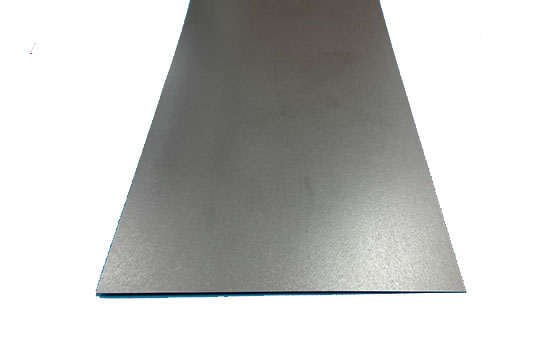
Tungsten sheets stand as a testament to the excellent properties of this remarkable metal, offering a versatile and robust solution for a myriad of industrial applications. As one of the densest and hardest materials known to man, tungsten sheets embody strength, resilience, and an ability to withstand extreme conditions.
Standard: ASTM B760, GB/T 3975
Purity: ≥99.95%
Density: 19.3 g/cm3
Melting point: 3410 ℃
Size: Custom width and length. Thickness range: 0.13 – 4.75 mm
AEM Metal is a professional manufacturer and exporter of custom Tungsten sheets. Welcome to send us an inquiry and get a official quote.
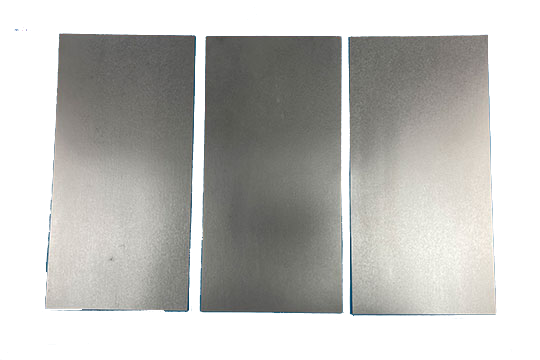
High Precision Tungsten Sheet
Specification: (0.1-0.9)mm x ≤250mm x Lmm.
Standard: GB/T3875 ASTM B760.
Thickness Tolerance: ±0.013mm.
Flatness: 0.025mm.
Surface Roughness: Ra≤0.8.
Applications:
Widely used in medical CT machines, electronics, vacuum equipment, and vacuum coating.
Properties and Characteristics of Tungsten Sheets
High Density
Tungsten is one of the densest materials known, providing tungsten sheets with exceptional mass and weight. High density makes tungsten sheets valuable for applications where weight and compactness are critical factors.
Electrical Conductivity
While not as high as some other metals, tungsten still possesses good electrical conductivity. Tungsten sheets find applications in electronics and electrical components where reliable conductivity is essential.
High Melting Point
Tungsten possesses the highest melting point of all metals, exceeding 3,422 degrees Celsius (6,192 degrees Fahrenheit).
Tungsten sheets excel in high-temperature environments, making them suitable for use in furnaces, aerospace components, and other applications where extreme heat is a factor.
Thermal Conductivity
Tungsten exhibits excellent thermal conductivity. Tungsten sheets efficiently conduct and dissipate heat, contributing to their use in high-temperature applications and heat-resistant materials.
Tungsten is often alloyed with Copper to enhance the properties. WCu alloy’s thermal conductivity is enhanced by the inclusion of copper, making it an effective material for managing heat in electronic and high-temperature environments.
Ductility and Malleability
Tungsten exhibits low ductility and malleability in its pure form. Despite its brittleness, tungsten sheets can be fabricated into various shapes through processes like rolling.
Corrosion Resistance
Tungsten is highly resistant to corrosion. Tungsten sheets maintain their integrity in corrosive environments, contributing to their longevity and reliability in industrial applications.
Radiation Absorption
Tungsten is effective in absorbing and attenuating ionizing radiation.
Tungsten sheets are utilized in medical applications, particularly in X-ray technology, where their radiation absorption properties enhance precision in diagnostics.
Precision Machining and Fabrication
Tungsten sheets are amenable to precision machining despite their hardness. This property enables the fabrication of intricate components and cutting tools for advanced manufacturing processes.
Tungsten Sheets Applications
-
Parts of electric light sources and electron tubes
-
Medical facilities
-
Obstruction of radiation and interference
-
To heat elements of high temperature furnaces
-
Structures of high temperature furnaces
-
Reflection shield, cover plate applied in the sapphire growth furnace, reflection shield, heating tape
-
Making tungsten electrodes, tungsten boats for electronics, lightening, electro-vacuum industries
Chemical Composition of Tungsten Sheets
| W (≥%) | Chemical Content (≤ %) | |||||||||||||
| 99.95 | K | Fe | Al | Mo | Si | As | Ca | Cr | Mg | Mn | Na | Ni | Bi | Cd |
| 0.0015 | 0.003 | 0.003 | 0.003 | 0.0015 | 0.001 | 0.001 | 0.001 | 0.001 | 0.001 | 0.001 | 0.001 | 0.0005 | 0.0005 | |
| Cu | Pb | Sb | Co | Ti | Sn | |||||||||
| 0.0005 | 0.0005 | 0.0005 | 0.0005 | 0.0005 | 0.0005 | |||||||||
Tungsten Sheets vs. Other Materials
| Pure Tungsten | W-La Alloy | Tungsten Rhenium Alloy | |
| Composition | W | WLa10 (0.8-1.2% La2O3), WLa15 (1.3-1.7% La2O3), WLa20 (1.8-2.2% La2O3) | WRe3%, WRe5%, WRe25%, WRe26% |
| Properties | High melting point. High density. Brittle. |
Enhanced ductility compared to pure tungsten. Improved electron emission characteristics. High-temperature stability. |
Improved ductility and tensile strength compared to pure tungsten. High-temperature strength and stability. Moderate electrical resistivity. |
| Applications | TIG welding electrodes. High-temperature furnace components. Radiation shielding. |
Electron emitters in electron microscopy. Cathodes in electronics. High-temperature applications. |
Aerospace applications (thermocouples, rocket nozzles). High-temperature furnace elements. X-ray tubes |
| Costs | Generally less expensive. | Moderate cost. | More expensive due to the addition of rhenium. |
Summary
Pure Tungsten
Best for applications requiring the highest melting point and density.
Ideal when brittleness is not a limiting factor.
W-La Alloy
Offers improved ductility compared to pure tungsten.
Suitable for applications requiring enhanced electron emission.
Tungsten-Rhenium Alloy
Provides a balance of strength, ductility, and high-temperature stability.
Valuable in aerospace and high-temperature environments.
The choice depends on the specific requirements of the application, considering factors such as temperature conditions, mechanical properties, and cost considerations. Each material has its advantages, and the selection should be tailored to the needs of the particular use case.
The choice depends on the specific requirements of the application, considering factors such as temperature conditions, mechanical properties, and cost considerations. Each material has its advantages, and the selection should be tailored to the needs of the particular use case.
Maintenance and Care Tips
Tungsten sheets, given their unique properties and applications, require specific maintenance and care to ensure optimal performance and longevity. Here are some maintenance and care tips for tungsten sheets:
-
Handling and Storage:
Handle with Care: Tungsten is a hard and brittle material. Avoid dropping or subjecting tungsten sheets to impact, as this can lead to chipping or breakage. Avoid Contaminants: Keep tungsten sheets away from contaminants, such as oils and greases, which can affect their performance.
-
Cleaning:
Use Mild Cleaning Agents: When cleaning tungsten sheets, use mild cleaning agents and solvents. Harsh chemicals can react with tungsten and compromise its surface integrity.
Avoid Abrasives: Refrain from using abrasive materials for cleaning, as they can scratch or damage the surface.
-
Temperature Considerations:
Avoid Rapid Temperature Changes: Tungsten rods can withstand high temperatures, but rapid temperature changes, especially extreme quenching, may lead to thermal stress and potential cracking.
Gradual Cooling: Allow tungsten sheets to cool gradually after exposure to high temperatures to minimize thermal shock.
-
Welding Applications:
Check for Contamination: In welding applications, ensure that the tungsten electrode is free from any contamination, which can affect the quality of the weld.
Proper Grinding Techniques: When grinding tungsten electrodes for welding, use proper techniques and equipment to maintain the correct tip geometry.
-
Storage Conditions:
Dry Storage: Store tungsten sheets in a dry environment to prevent corrosion or oxidation.
Avoid Humidity: If tungsten sheets are exposed to high humidity, consider using moisture-absorbing materials in storage areas.
-
Avoid Excessive Force:
Minimize Bending: Tungsten rods are rigid but can be brittle. Avoid applying excessive force or bending, especially if the rod has a small diameter.
-
Use in Appropriate Applications:
Know the Limitations: Be aware of the limitations of tungsten sheets. While they excel in high-temperature and high-strength applications, they may not be suitable for applications requiring high ductility.
-
Regular Inspection:
Check for Damage: Periodically inspect tungsten sheets for any signs of damage, such as cracks or chips.
Replace Damaged Rods: If any damage is detected, replace the tungsten rod to prevent compromising the performance of the material.
-
Proper Machining Practices:
Use Suitable Tools: When machining tungsten sheets, use tools that are designed for hard materials to avoid excessive wear and ensure precision.
[/vc_column_text][/vc_column][/vc_row]