
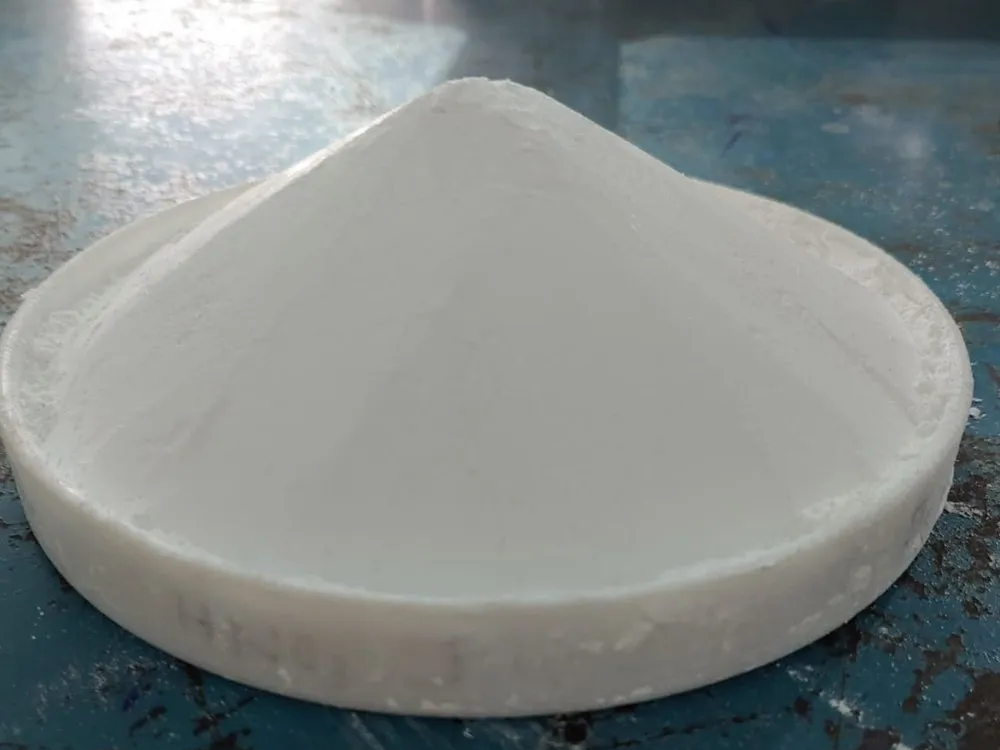
Titanium powder additive manufacturing has emerged as a transformative approach in various industries, particularly in aerospace and medical sectors. The ability to produce intricate components with high strength-to-weight ratios positions titanium powder as a key material. This method allows for the fabrication of parts that are not only lighter but also more durable, significantly enhancing performance and efficiency.
The use of titanium powder in additive manufacturing opens up new possibilities in design flexibility. Unlike traditional manufacturing methods, additive processes enable the creation of complex geometries that would be difficult or impossible to achieve otherwise. As a result, engineers and designers can innovate and push boundaries, leading to cutting-edge applications.
Furthermore, understanding the properties and handling of titanium powder is crucial for successful implementation. Factors such as particle size and surface area play a significant role in determining the powder’s behavior during the manufacturing process. With proper knowledge, users can optimize production and ensure safety in operations, making titanium powder a vital asset in modern manufacturing techniques.
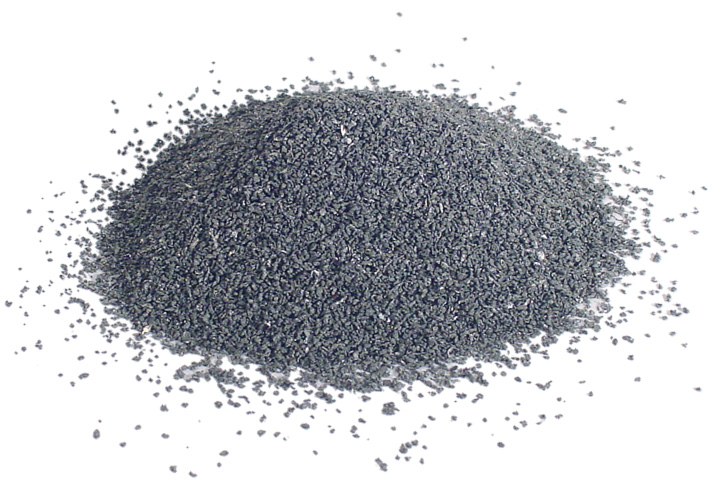
The Process Of Titanium Powder Additive Manufacturing
Titanium powder additive manufacturing utilizes advanced techniques to create high-quality components. This process focuses on method selection, material characteristics, and the benefits that titanium powder brings to manufacturing.
Description Of Additive Manufacturing Techniques
Several techniques exist for additive manufacturing, notably Selective Laser Melting (SLM) and Electron Beam Melting (EBM). SLM uses a high-powered laser to fuse titanium powder layer by layer, achieving full densification. EBM employs an electron beam in a vacuum environment, leading to high precision and energy efficiency.
Both methods can produce intricate geometries and support designs that traditional manufacturing struggles with. The powder is typically spread in thin layers on a substrate, with each layer being selectively melted according to the CAD model.
This repeatable and scalable process enables the production of complex titanium components that meet strict specifications in aerospace and medical applications.
Characteristics Of Titanium Powder Used In Manufacturing
Titanium powder’s characteristics significantly impact its suitability for additive manufacturing. Powders are often atomized for a uniform particle size, enhancing flowability and packing density.
Common grades include Ti-6Al-4V and Grade 23, which meet stringent international standards. Cleanliness is vital; manufacturers control impurity levels to maintain integrity, typically keeping oxygen contamination below 0.2 wt%.
Powder shape and size also influence performance. Spherical powders are preferred as they provide better flow during the additive process. These characteristics contribute to the overall quality and mechanical properties of the final components.
Advantages Of Using Titanium Powder In Additive Manufacturing
Titanium powder offers several advantages in additive manufacturing that benefit industries such as aerospace and healthcare. Its excellent strength-to-weight ratio allows for lightweight structures without sacrificing strength.
Additionally, titanium exhibits superior corrosion resistance and biocompatibility, making it ideal for medical implants. The additive process minimizes material waste compared to traditional methods.
Moreover, the ability to produce customized and complex geometries enables innovative designs tailored to specific applications. Overall, the integration of titanium powder in additive manufacturing aligns perfectly with modern engineering needs.
Applications Of Titanium Powder Additive Manufacturing

Titanium powder additive manufacturing (AM) has transformed various industries through its ability to produce complex geometries and lightweight components. This section explores specific applications in key fields like aerospace, medical, automotive, and other emerging areas.
Aerospace Industry
The aerospace industry is a significant beneficiary of titanium powder AM. Components such as brackets, fittings, and turbine parts can be produced with high precision and reduced weight.
Using titanium alloys, manufacturers achieve an excellent strength-to-weight ratio, essential for aircraft performance. Additionally, the ability to create intricate designs leads to enhanced aerodynamics and improved fuel efficiency.
Notably, titanium also offers resistance to corrosion, which is critical in harsh atmospheric conditions. This combination of properties makes titanium powder AM indispensable for aerospace advancements.
Medical Implants And Devices
In the medical field, titanium powder AM plays a crucial role, particularly in producing implants and devices. This technology allows for the creation of patient-specific implants, tailored to an individual’s anatomy.
Titanium’s biocompatibility makes it an ideal material for orthopedic and dental implants. It integrates well with bone, promoting healing and stability. Industries utilize 3D printing techniques to manufacture complex structures, such as porous implants that enhance bone growth.
Additionally, custom tools and surgical guides are manufactured efficiently through AM, improving surgical accuracy and outcomes. This innovation leads to better recovery times and patient satisfaction, marking a significant advancement in medical technology.
Automotive Sector
The automotive sector is embracing titanium powder AM for its potential to lighten vehicle components while enhancing performance. This technology allows for the rapid production of complex geometries, particularly in components like exhaust systems and engine parts.
Using titanium reduces the overall weight of vehicles, which can lead to improved fuel efficiency. Manufacturers can also produce bespoke parts on demand, minimizing waste and inventory costs.
Furthermore, the durability and strength of titanium contribute to longer-lasting components, which is a crucial factor in automotive design. Integrating titanium powder AM into production processes helps automotive companies stay competitive in a rapidly evolving market.
Other Emerging Applications
Beyond aerospace, medical, and automotive, titanium powder additive manufacturing is making strides in other sectors. Industries such as energy, including oil and gas, leverage this technology for components that withstand extreme environments.
Titanium’s corrosion resistance is particularly valuable in these applications, as it enhances material longevity. Furthermore, the electronics sector is exploring titanium AM for custom housings and intricate parts in high-performance devices.
Research into marine applications is also underway, focusing on titanium’s resistance to seawater corrosion. These emerging applications highlight the versatility and potential of titanium powder AM across various industries.
Challenges And Considerations
Titanium powder additive manufacturing presents several challenges that must be navigated to achieve successful outcomes. These challenges include material properties, cost implications, and environmental considerations that significantly impact production efficiency and product quality.
Material Properties And Quality Control
The material properties of titanium powders play a crucial role in additive manufacturing. Factors such as particle size, morphology, and distribution affect the final product’s mechanical properties.
Quality control is essential to ensure consistency in these properties. Variations in the powder can result in defects like porosity or inclusions. Regular testing methods such as laser diffraction for particle sizing and scanning electron microscopy for morphology assessment are vital in maintaining standards.
In addition, the production environment, including the atmosphere (usually inert argon), must be controlled to prevent oxidation. Implementing strict quality control protocols can mitigate these issues and enhance the reliability of produced parts.
Cost Implications Of Titanium Powder
The costs associated with titanium powder are significant and can influence project feasibility. Titanium, being a high-performance material, often incurs higher costs due to the complex extraction and processing methods required.
The buy-to-fly ratio is a critical metric in aerospace applications. High ratios can make projects economically unfeasible. Strategic procurement methods, including sourcing from multiple suppliers, can help manage costs effectively.
Investment in advanced technologies for powder recycling can also lead to long-term savings. These measures will ensure more sustainable production while alleviating financial burdens related to raw material costs.
Environmental Considerations And Sustainability
Sustainability is an essential factor in titanium powder manufacturing processes. The extraction of titanium has a considerable environmental impact, often involving significant energy consumption and carbon emissions.
Additive manufacturing presents opportunities for reducing waste. Traditional machining processes often result in considerable scrap, while additive methods use only the necessary material.
However, environmental considerations do not end with production. The life cycle of titanium products must include plans for recycling or reuse to minimize ecological footprints. Developing closed-loop systems for powder recovery and recycling can enhance sustainability in the industry.
Conclusion
Titanium powder additive manufacturing (AM) represents a significant leap in the production of high-performance components. This technology not only enhances design flexibility but also reduces waste and production costs. The following subsections explore its importance, emerging trends, and its broader impact on various industries.
Recap Of The Significance Of Titanium Powder Additive Manufacturing
The use of titanium powders in AM provides notable advantages, particularly for industries like aerospace and biomedical. Titanium alloys boast an excellent strength-to-weight ratio, making them ideal for lightweight structures in aircraft and implants.
Technologies such as powder bed fusion and directed energy deposition enable intricate geometries that are often unattainable with traditional manufacturing. Furthermore, advancements in powder production techniques, such as plasma atomization, ensure high material purity and optimized flow characteristics.
Such innovations contribute to performance improvements in end-use components, meeting the stringent requirements of critical applications.
Future Trends And Potential Developments In The Field
Looking ahead, several trends are set to shape titanium powder AM. Increased focus on automation and digital manufacturing will streamline processes, enhancing production efficiency. Integration of artificial intelligence for process monitoring can reduce defects, ensuring higher quality outputs.
Research is likely to continue into developing new titanium alloys tailored for AM, exhibiting desirable mechanical properties and reduced production costs. Additionally, sustainability efforts may drive innovations in recycling titanium powder, minimizing material waste.
Emerging applications in sectors like automotive and energy could expand the market for titanium AM, creating opportunities for customized parts and lightweight solutions.
Final Thoughts On The Impact Of This Technology On Various Industries
Titanium powder AM is transforming multiple industries by providing lightweight, durable solutions tailored to specific needs. In aerospace, its ability to reduce weight while maintaining structural integrity leads to fuel efficiency and enhanced performance.
In the medical field, custom implants created via AM improve patient outcomes due to better fitting and personalized designs. Furthermore, industries facing stringent regulations benefit from the precision and reliability of components produced through additive methods.
As technology evolves, titanium powder AM will drive innovation and efficiency across these sectors, significantly impacting production methodologies and material use.