
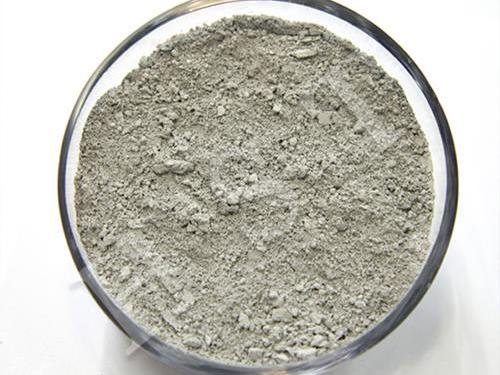
Titanium powder is a crucial material in various industries, including aerospace, medical, and automotive sectors. Finding reliable titanium powder suppliers ensures that businesses receive high-quality materials that meet their specifications and contribute to the success of their projects. With the rise of additive manufacturing and 3D printing, the demand for titanium powder is increasing, making it essential for manufacturers to partner with reputable suppliers.
Reputable suppliers such as American Elements and TIMET provide a range of titanium powder products to meet diverse needs. They offer valuable insights into properties, applications, and pricing, which can help businesses make informed procurement decisions. Companies can select from various grades and particle sizes, ensuring they find the right fit for their specific applications.
Navigating the market can be challenging due to the number of suppliers available. By understanding the key players, such as ATI and Sandvik, companies can streamline their search and identify the best options for their requirements. This article will explore the top titanium powder suppliers, highlight their offerings, and discuss how to choose the right partner for your needs.
Understanding Titanium Powder
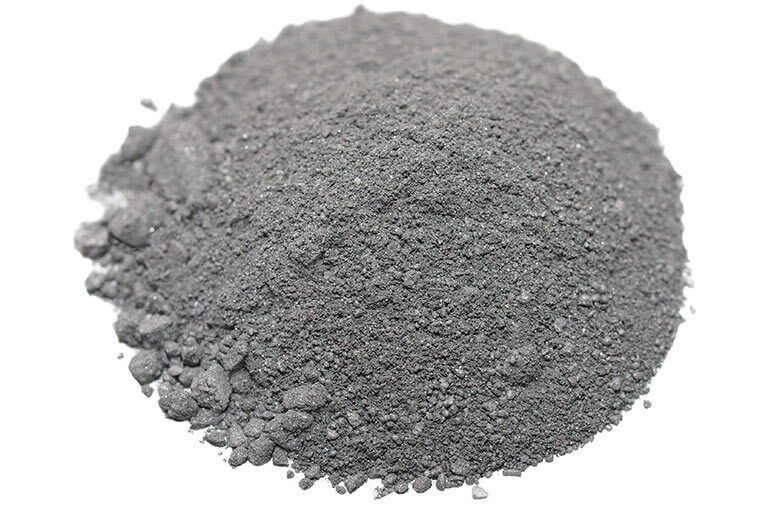
Titanium powder is a versatile material with unique properties that make it suitable for various applications across multiple industries. Its characteristics and benefits differentiate it from other metals and powders, resulting in its widespread use, especially in high-performance sectors.
Definition and Properties of Titanium Powder
Titanium powder consists of fine particles of titanium metal. It typically comes in two forms: commercially pure titanium and titanium alloys, such as Ti-6Al-4V.
Key Properties:
- High Strength-to-Weight Ratio: Titanium powder offers excellent tensile strength while remaining lightweight.
- Corrosion Resistance: It is resistant to oxidation and many corrosive environments.
- Biocompatibility: This quality makes titanium powder ideal for medical applications.
The particle size of titanium powder often ranges from 10 to 150 microns, impacting its behavior during processing. Fine particles enhance sintering and ensure uniformity in additive manufacturing processes.
Applications of Titanium Powder in Industries such as Aerospace, Automotive, and Medical
Titanium powder is crucial in several industries.
Aerospace: It is employed in aircraft components and structural parts where lightweight materials are needed without compromising strength.
Automotive: In high-performance vehicles, titanium powder is used for engine components, exhaust systems, and fasteners, providing durability and efficiency.
Medical: The biocompatibility of titanium makes it suitable for implants and surgical instruments, where it is essential to avoid adverse reactions in the human body.
The ability to create complex geometries through powder metallurgy enhances the functionality and performance of parts in these sectors.
Benefits of Using Titanium Powder over Other Materials
Using titanium powder offers several advantages compared to traditional metals.
- Additive Manufacturing Technology: Processes like selective laser sintering (SLS) optimize the material’s properties, allowing for innovative designs.
- Superior Mechanical Properties: Titanium powder parts often exhibit better mechanical strength, fatigue resistance, and thermal stability.
In addition, the corrosion resistance of titanium extends the lifespan of products made from this material.
These benefits contribute to the growing preference for titanium powder in demanding applications where performance and reliability are critical.
Criteria for Selecting Titanium Powder Suppliers
When selecting titanium powder suppliers, several critical factors should be considered to ensure quality, reliability, and suitability for specific applications. These factors encompass quality assurance, industry experience, product range, pricing, and customer support.
Quality Assurance and Certifications
Quality assurance is fundamental when selecting a titanium powder supplier. It ensures that the powder meets industry standards and specific project requirements. Reputable suppliers typically have certifications like ISO 9001, which indicates adherence to quality management principles.
Additionally, suppliers may have certification for specific grades of titanium, such as ASTM or AMS standards. These certifications assure clients of material purity and consistent performance. It is also advisable to request test results or reports verifying the properties and composition of the titanium powder, confirming its suitability for particular applications.
Supplier Experience and Industry Reputation
The experience of a titanium powder supplier can greatly influence the quality of materials and service. Suppliers with significant experience in the titanium industry are more likely to understand the nuances of different powder grades and their applications.
Furthermore, evaluating a supplier’s reputation through customer testimonials and industry reviews can provide insights into their reliability. Seeking feedback from other businesses in similar sectors can also help gauge the supplier’s performance in delivering on time and maintaining product quality.
Range of Products and Customization Options
A diverse range of products is essential for meeting varied project specifications. Suppliers should offer various titanium powder grades, including commercially pure titanium and specific alloys like Ti-6Al-4V or Ti-55531.
Customization options are equally important. Suppliers offering tailored solutions, such as specific particle sizes or blends, can cater to specialized applications. This flexibility can enhance the buyer’s manufacturing processes and final product performance, making it vital to discuss these options with potential suppliers.
Pricing and Payment Terms
Pricing structures can vary widely among titanium powder suppliers, making it crucial for buyers to understand the cost implications of their choices. Suppliers should provide clear pricing information based on the grade and quantity of powder required.
Beyond initial pricing, payment terms are also a key consideration. Flexible payment options can help businesses align their cash flow with purchasing needs. Many suppliers are willing to negotiate terms based on order volume, which can be advantageous for larger projects.
Customer Service and Support
Effective customer service can make a significant difference in supplier relationships. Suppliers should provide responsive support, particularly during the ordering process and after-sales service.
This includes timely communication regarding order status, shipping information, and handling any issues that arise. Additionally, suppliers that offer technical support for product applications can help customers optimize their use of titanium powder, enhancing overall satisfaction and repeat business.
Leading Titanium Powder Suppliers in the Market
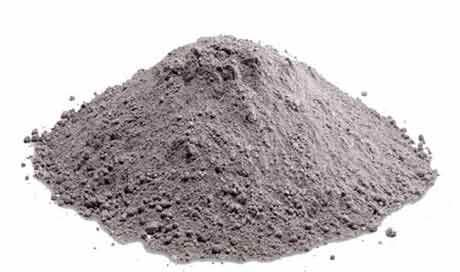
The titanium powder market is characterized by a diverse set of suppliers, each offering unique products and services. Understanding the landscape of these suppliers can help businesses make informed decisions for their manufacturing needs.
Overview of Notable Suppliers and Their Offerings
Several key players dominate the titanium powder market. Höganäs is recognized for its high-quality titanium powder, including Ti-6Al-4V, suitable for various applications in aerospace and biomedical sectors.
OSAKA Titanium Technologies Co., Ltd. specializes in commercially pure titanium and advanced alloy powders. Their products are often used in additive manufacturing and metal injection molding.
Another prominent supplier is American Elements, which offers a wide array of titanium powders tailored for specific applications, ensuring that customers have access to the precise materials they require.
Comparison of Suppliers Based on Quality, Pricing, and Customer Feedback
When evaluating titanium powder suppliers, quality is paramount. Suppliers like Höganäs and OSAKA are known for rigorous testing and certifications that assure high-performance materials.
Pricing can vary considerably. For instance, while some suppliers offer competitive rates for commercially pure titanium, others may have higher prices reflecting the advanced processing techniques used.
Customer feedback often highlights responsiveness and reliability. Companies that successfully deliver consistent quality and timely shipments generally receive positive reviews. Assessing online reviews and industry feedback can provide insights into the supplier’s overall reputation.
Case Studies or Testimonials from Businesses that Have Successfully Partnered with These Suppliers
Many businesses have reported successful partnerships with leading titanium powder suppliers. One notable example is a leading aerospace manufacturer that integrated Höganäs titanium powders into their components. They highlighted reduced production times and improved material properties as key benefits.
Another case involves a biomedical company utilizing OSAKA Titanium Technologies’ powders. They noted significant enhancements in product performance, which ultimately led to improved patient outcomes.
Additionally, testimonials from various manufacturers emphasize the importance of reliable supply chains and responsive customer service, crucial for maintaining competitive advantage in fast-paced industries.
Conclusion
Selecting the appropriate titanium powder supplier is crucial for ensuring material quality, consistency, and performance across various industries. Careful evaluation and a keen understanding of supplier capabilities can significantly impact operational success.
Recap of the Importance of Choosing the Right Titanium Powder Supplier
The quality of titanium powder can directly influence the outcome of manufacturing processes. Suppliers vary in expertise, production methods, and purity levels. For instance, companies like AP&C utilize plasma atomization, while TLS Technik employs gas atomization.
Understanding the different powder grades, such as Ti-6Al-4V and CP Ti, is essential. These variations affect strength, biocompatibility, and other critical properties. By doing so, manufacturers can avoid costly errors and ensure that the material meets their specific requirements.
Encouragement to Conduct Thorough Research and Due Diligence
Research is vital when choosing a titanium powder supplier. Manufacturers should assess factors such as production techniques, consistency in quality, and customer reviews.
A comprehensive evaluation can include:
- Confirming certifications and quality assurance standards.
- Reviewing case studies or examples of previous work.
- Requesting samples for testing before finalizing a supplier relationship.
Due diligence not only mitigates risks but also fosters a productive relationship with suppliers, ensuring a steady supply of quality materials essential for success.
Final Thoughts on the Future of Titanium Powder Supply and Its Impact on Various Industries
The titanium powder market is evolving, driven by advancements in technology and increasing demand. Industries such as aerospace, automotive, and medical are embracing the unique properties of titanium.
As manufacturers invest in research and development, the demand for high-quality titanium powder will continue to grow. Suppliers that stay ahead of technological trends and ensure ethical practices are likely to thrive.
The ongoing developments in additive manufacturing also highlight the significance of selecting the right supplier. Quality titanium powder will remain a crucial element in meeting innovative material requirements across sectors.