
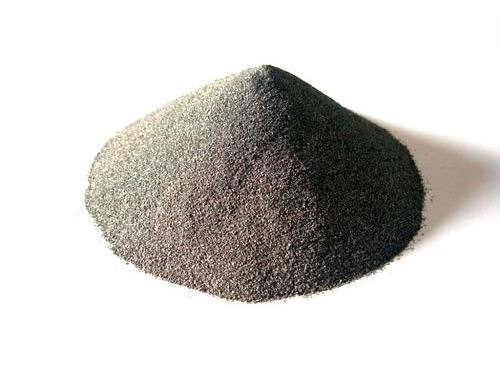
Tungsten carbide powder is a highly sought-after material due to its exceptional hardness and resistance to wear. As industries ranging from manufacturing to aerospace continue to expand, the demand for this material influences its pricing. Currently, the price of tungsten carbide powder varies significantly, typically ranging from $30 to $100 per kilogram, depending on factors such as purity and particle size.
Understanding the factors that impact the price of tungsten carbide powder is crucial for businesses and researchers alike. Variables include market demand, production costs, and the specific applications for which the powder is intended. This knowledge empowers organizations to make informed purchasing decisions that align with their operational needs.
As the market for tungsten carbide powder evolves, staying informed about pricing trends can offer a competitive edge. Readers will gain insights into the nuances of pricing and the broader implications for various industries, making this article a valuable resource for anyone involved in materials procurement or applications.
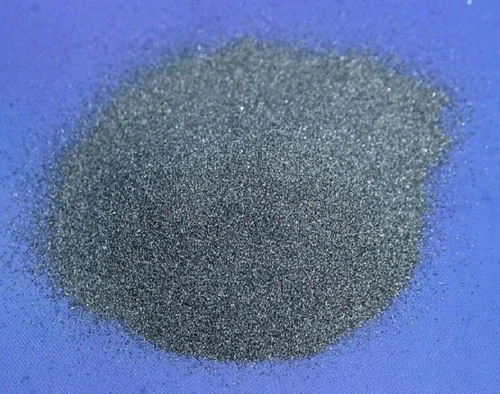
Factors Affecting Tungsten Carbide Powder Price
Various elements significantly influence the pricing of tungsten carbide powder. Key factors include the costs of raw materials, production processes, and the dynamics of market demand and supply.
Raw Material Costs
The price of tungsten carbide powder is heavily impacted by the cost of its raw materials, primarily tungsten and carbon. Tungsten itself is subject to market fluctuations driven by mining yields, geopolitical tensions, and economic conditions in producing countries.
Carbon, which is often derived from natural gas or coal, can also experience price variations. Collective supply chain factors, including transportation and processing costs, add to the overall expense. As a result, any spike in raw material prices directly translates to increased production costs and, consequently, higher prices for tungsten carbide powder.
Production Processes
The methods employed in producing tungsten carbide powder play a crucial role in determining its price. Different production techniques, such as the reduction of tungsten oxide and sintering processes, can greatly affect both efficiency and cost.
Advanced technologies that enhance yield and reduce waste contribute positively to lower production costs. Conversely, older techniques may result in higher wastage, leading to elevated prices. Energy consumption during production also impacts costs, especially in times of rising electricity prices.
Market Demand and Supply Dynamics
The demand for tungsten carbide powder is influenced by various sectors, including construction, mining, and manufacturing. As industries grow, the demand for tools and components made from tungsten carbide increases.
Simultaneously, supply chain disruptions—such as logistical hurdles or mining challenges—can restrict availability. Such conditions create a delicate balance between supply and demand, leading to price fluctuations. Seasonal trends and emerging markets can also impact demand, further complicating the pricing landscape for tungsten carbide powder.
Historical Price Trends
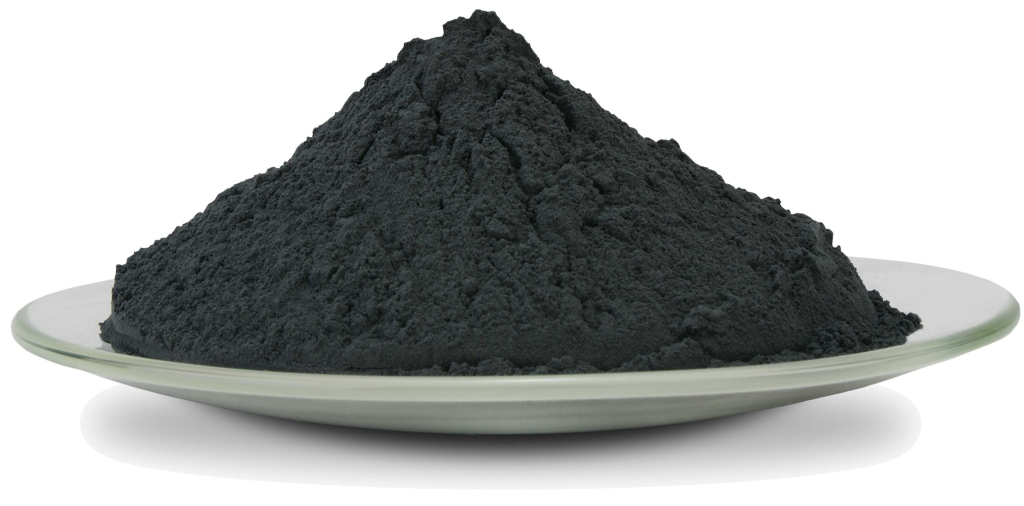
Tungsten carbide powder pricing has shown significant volatility, influenced by various factors such as market demand, geopolitical events, and supply chain dynamics. Understanding these trends is crucial for stakeholders in the industry as they navigate pricing strategies.
Analysis of Price Fluctuations Over the Past Decade
Over the past decade, tungsten carbide powder prices have experienced notable fluctuations. In 2014, prices were relatively stable, averaging around $30,000 per metric ton.
However, between 2015 and 2016, prices declined sharply due to reduced demand from the manufacturing sector.
From 2017 onwards, a gradual recovery occurred, with prices rising again, reaching peaks in 2021. In recent years, prices have stabilized, fluctuating between $30,000 and $35,000 per metric ton as of late 2024.
These trends indicate a market reacting to both global economic conditions and internal industry shifts.
Impact of Geopolitical Factors on Pricing
Geopolitical factors have significantly impacted tungsten carbide prices, particularly in recent years. The trade tensions and sanctions stemming from conflicts such as the Russia-Ukraine crisis have disrupted supply chains.
This conflict has led to increased production costs and limited availability, resulting in price hikes.
Countries heavily reliant on tungsten imports have faced heightened expenses. Moreover, regulations reducing exports from major producers further influence price increases.
Supply disruption in key areas aligns closely with demand spikes, creating instability in price.
Comparison With Other Industrial Materials
When comparing tungsten carbide powder with other industrial materials, it is crucial to consider price trends of metals like titanium and cobalt.
While titanium prices have seen steady increases due to growing aerospace demands, cobalt prices have spiked dramatically because of electric vehicle battery production.
In contrast, tungsten carbide powder has shown more resilience, maintaining lower volatility. The relative stability can be attributed to diversified applications across multiple industries, from mining to cutting tools.
Understanding these comparisons helps stakeholders assess the market landscape effectively.
Current Market Analysis
The tungsten carbide powder market is characterized by dynamic pricing influenced by various factors. A thorough examination of recent price data, key players, and regional variations sheds light on the current landscape and future trends.
Recent Price Data and Forecasts
Recent data indicates that the price of tungsten carbide powder is on an upward trajectory, with an estimated market value of USD 16.88 billion in 2023. Analysts forecast a compound annual growth rate (CAGR) ranging from 5% to 5.7% through 2030. These projections take into account increasing demand for industrial machine tools and the material’s superior properties. Factors such as raw material availability and global supply chain challenges may also influence prices in the upcoming years. Companies must stay informed of these trends to optimize purchasing and production strategies.
Key Players in the Tungsten Carbide Powder Market
Several significant players dominate the tungsten carbide powder market. Companies such as Wolfram Company, Treibacher Industrie AG, and Carbide USA hold substantial market shares due to their extensive production capabilities and technological advancements. These manufacturers focus on quality and innovation, contributing to their competitive edge. Additionally, many companies are adapting to market trends by investing in research and development to enhance product performance and create specialized formulations. Collaboration between these key players facilitates advancements in sustainable production techniques, positively influencing market growth.
Regional Price Variations and Their Implications
Regional variations in tungsten carbide powder prices reflect local demand, production costs, and geopolitical factors. For instance, prices in North America may differ from those in Asia-Pacific due to differences in manufacturing practices and material sourcing. In Asia, the supply chain has faced challenges, leading to fluctuating prices.
- North America: Focuses on high-quality production with stable pricing.
- Asia-Pacific: Experiences dynamic pricing influenced by supply chain issues and demand for industrial tools.
These regional implications inform companies about where to allocate resources effectively and how to navigate potential market challenges. Adjustments in regional procurement strategies can significantly impact overall operational efficiency.
Conclusion
This section examines the critical elements influencing tungsten carbide powder pricing, future market trends, and the importance of remaining informed for stakeholders in the industry.
Summary of Key Points Discussed
Tungsten carbide powder pricing has shown notable fluctuations influenced by multiple factors, such as raw material costs, global supply chain dynamics, and regional market demands. Recent data indicates that prices for tungsten carbide have been hovering around $39.80 to $40.80 per kilogram in export markets. The Asian market, particularly China, has seen a rise due to increased demand for tungsten carbide in manufacturing. Additionally, external factors like geopolitical tensions or changes in trade policies can further impact pricing trends. Staying updated with market reports, such as current prices from Argus Media, provides essential insights for better forecasting.
Future Outlook for Tungsten Carbide Powder Pricing
The future of tungsten carbide powder pricing appears influenced by a mix of demand and supply conditions. Analysts anticipate that demand will remain strong due to the ongoing need for carbide tools in industries such as mining and construction. As markets recover post-pandemic, an increase in manufacturing activities across regions will likely push prices higher. Additionally, advancements in recycling technologies for tungsten carbide could stabilize supply, thus impacting price volatility. Traders and manufacturers must monitor these developments closely to adapt their strategies effectively.
Importance of Staying Informed for Industry Stakeholders
For industry stakeholders, remaining informed about tungsten carbide powder pricing is crucial for strategic decision-making. Price variations directly affect budgeting, procurement, and inventory management. Timely access to market trends and forecasts can aid companies in assessing their competitive position and making informed procurement decisions. Engaging with platforms that provide regular updates, can enhance awareness of pricing movements and potential market shifts. This proactive approach not only mitigates risks but also capitalizes on market opportunities as they arise.