
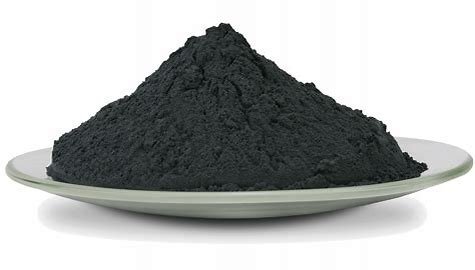
Industrial Applications of Tungsten
Tungsten is integral to many industrial sectors because of its durability and high melting point.
This section focuses on its use in additive manufacturing, a growing technology sector.
Additive Manufacturing
Tungsten’s properties make it ideal for additive manufacturing, which is gaining traction in industries like aerospace and medical devices.
Its use in additive manufacturing helps create complex components that are lightweight yet robust.
Electrical Contacts: Tungsten’s excellent conductivity and resistance to corrosion make it essential for electrical contacts, enhancing the reliability of electrical systems.
Radiation Shielding: With its high density, tungsten is effective in radiation shielding, particularly in medical and industrial settings.
Defense: Tungsten’s use in defense includes applications like projectile tips and armor. It offers superior strength and resistance, crucial for military-grade materials.
Types of Tungsten Powders
Tungsten powders are used in various industries for their high melting point and density.
Among the most common types are tungsten carbide, tungsten metal, and granulated tungsten powders.
Tungsten Carbide
Tungsten carbide is a dense and hard material often used in cutting tools and machinery due to its durability.
This powder consists of high hardness and excellent wear resistance properties, making it ideal for applications requiring toughness.
The production of tungsten carbide powder involves combining tungsten with carbon at high temperatures. This results in a compound that withstands high-stress environments.
Industries such as mining and engineering value this powder for its performance in making drill bits and other heavy-duty equipment.
Tungsten Metal
Tungsten metal powder is prized for its purity and high melting point. It plays a crucial role in the production of heavy metals and alloys.
This type of powder is often used in the electronics and aerospace industries due to its thermal and electrical conductivity.
Manufacturing this powder typically involves reducing tungsten oxide through processes such as hydrogen reduction.
Due to its unique properties, tungsten metal powder is essential in producing filaments for light bulbs and components for electronic devices.
Granulated Tungsten
Granulated tungsten powder is less common but serves specific purposes, such as in welding and creating dense metal mixtures.
It is typically coarser than other forms, which can influence its properties and uses.
The granulated form is produced by pressing and sintering tungsten, and it is valued for its uniform particle size.
This uniformity ensures consistent performance in applications where precise mixing and density control are critical.
Industries that require high-density materials often turn to granulated tungsten for its reliability and performance.
Tungsten Machining and Form Factors
Tungsten’s unique properties make it vital for various industrial applications. The material’s form factors, like rods and plates, impact machining methods.
Precision and expertise are key when working with tungsten to create high-quality products.
Tungsten Rod & Plate
Tungsten rods and plates are essential components in many industries due to their high melting point and density.
These form factors provide the versatility needed for applications in aerospace, electronics, and construction.
Tungsten rods are often used in making electrical contacts and filaments. Their durability makes them ideal for situations where long-lasting performance is required.
On the other hand, tungsten plates are favored for applications requiring flat, strong surfaces, such as X-ray screens and radiation shielding.
Manufacturing tungsten rods and plates involves complex processes like powder metallurgy and high-temperature sintering.
These processes ensure that the tungsten maintains its advantageous properties even after being formed into specific shapes.
The expertise required to create these parts ensures durability and precision, which are critical in demanding applications.
Machining Services
Machining services for tungsten are specialized due to the metal’s toughness.
High precision and specialized equipment are required since tungsten is challenging to cut and shape.
Techniques like EDM (Electric Discharge Machining) and laser cutting are commonly employed to achieve the desired results.
These methods allow intricate designs to be created with minimal material loss.
Selecting a reliable machining service is crucial.
Quality machining ensures that tungsten components meet exact specifications and perform optimally in their intended applications.
This involves not only cutting and shaping but also includes post-processing techniques like polishing and coating, which enhance the final product’s performance and longevity.
Frequently Asked Questions
Tungsten powder plays a crucial role in various industries due to its unique properties. This section addresses common inquiries regarding its applications, bulk purchasing options, pricing factors, and physical qualities.
What are the common applications of tungsten powder?
Tungsten powder is widely used in powder metallurgy and the production of heavy alloys.
It is also crucial in creating electrical and electronic contacts.
The aerospace and defense industries often use it for its high density and ability to withstand extreme conditions.
These factors make tungsten powder an essential component in manufacturing and technology.
What options are available for purchasing tungsten powder in bulk?
Many suppliers provide tungsten powder in bulk quantities.
These include specialized metal and chemical supply companies.
Buyers may also consider purchasing directly from manufacturers to secure larger volumes and potentially obtain better pricing conditions.
Online portals occasionally offer bulk purchase options, catering to both small and large industrial needs.
Can you explain the price factors of tungsten powder per kilogram?
The price of tungsten powder per kilogram is influenced by several factors.
These include the purity level of the powder and the current market demand.
Fluctuations in the global supply of tungsten resources can also impact pricing.
Transportation and processing costs contribute to the overall price structure.
What are the physical properties, like density, of tungsten powder?
Tungsten powder is known for its high density. Its density is approximately 19.3 grams per cubic centimeter. It also has a high melting point, making it suitable for high-temperature applications.
The powder exhibits good electrical conductivity and corrosion resistance. These properties enhance its usability in various industrial processes.