
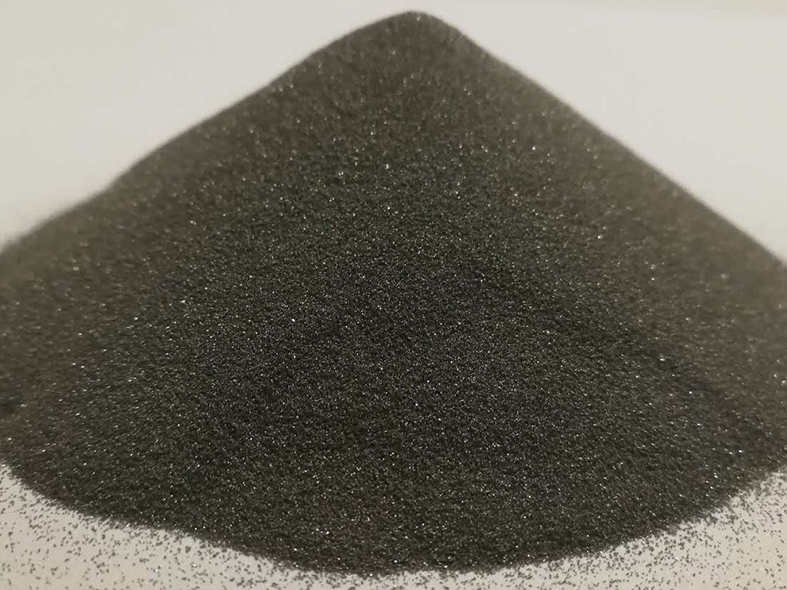
Tungsten powder is a highly sought-after material in various industries due to its unique properties. It is primarily composed of nearly pure elemental tungsten and is produced through methods such as milling and hydrogen reduction. These characteristics make tungsten powder invaluable for applications ranging from hardfacing adders and sputtering targets to thermal spray coatings and catalysts.
Its versatility and high melting point contribute to its widespread use in demanding environments, such as aerospace and electronics. The particle sizes of tungsten powder can vary significantly, making it adaptable for different applications. Understanding the specific properties and uses of tungsten powder can aid in selecting the right type for industrial needs.
With ongoing advancements in production techniques, the potential applications for tungsten powder continue to expand, impacting modern manufacturing significantly. Insights into tungsten powder’s characteristics and uses can provide a comprehensive overview for those considering its application in their projects or products.
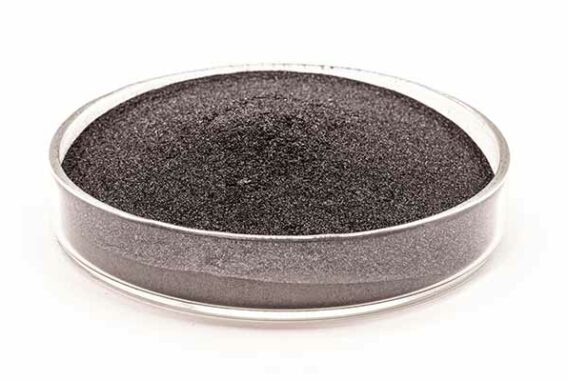
Properties Of Tungsten Powder
Tungsten powder possesses specific physical and chemical characteristics that make it highly suitable for various industrial applications. Its purity and particle size further influence its performance and effectiveness in different contexts.
Physical And Chemical Characteristics
Tungsten powder is characterized by its high density, which is approximately 19.3 g/cc, making it one of the heaviest metals. It features a remarkably high melting point of 3422°C, the highest among all metals, allowing it to withstand extreme temperatures without deforming.
In terms of composition, tungsten powder is typically over 99.9% pure, with impurities in minimal amounts. It exhibits exceptional resistance to corrosion and oxidation, contributing to its durability in harsh environments. The powder form can range in particle size from 0.5 to over 10 microns, impacting its behavior in applications.
Comparison With Other Metal Powders
When compared to other metal powders like titanium or aluminum, tungsten powder stands out due to its density and thermal stability. Titanium powder is lighter and offers better strength-to-weight ratios, while aluminum powder is more reactive and suitable for applications requiring lightness and conductivity.
Tungsten’s high melting point makes it preferred for applications involving high-temperature conditions, where metals like aluminum would fail. It also outperforms many other powders in terms of wear resistance, making it ideal for hard-facing applications and components subject to friction.
Importance Of Purity And Particle Size
Purity levels in tungsten powder significantly affect its performance. Higher purity levels, such as those exceeding 99.995%, result in improved mechanical properties, reducing the risk of defects during processing.
Additionally, particle size plays a crucial role in the behavior of tungsten powder during processes like sintering. Fine particles lead to better compaction and flowability, essential in manufacturing electrodes and contacts. A uniform particle size distribution is critical to achieving consistent quality in finished products, impacting overall efficiency and effectiveness in applications.
Production Methods
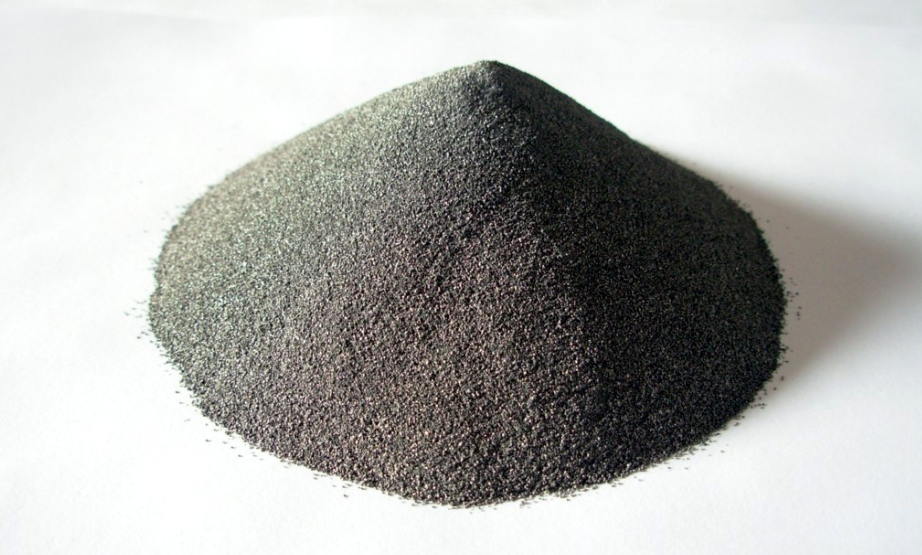
Tungsten powder production involves several precise extraction processes and techniques to ensure high purity and controlled particle size. The methods employed directly influence the quality and applications of tungsten powder in various industries.
Overview Of Tungsten Extraction Processes
Tungsten extraction primarily starts with the mineral wolframite or scheelite. These ores undergo crushing, grinding, and concentration to separate the tungsten from impurities. The two main chemical processes used are hydrogen reduction and chemical vapor deposition (CVD).
Hydrogen reduction involves reacting tungsten trioxide or ammonium paratungstate with hydrogen at elevated temperatures to yield tungsten powder. CVD utilizes tungsten hexafluoride in a gaseous state, decomposing it to produce pure tungsten. Both methods yield tungsten with varying purity levels, significantly influencing its market value.
Techniques For Producing Tungsten Powder
The most widely used techniques for tungsten powder production include hydrogen reduction, direct carbo-nitriding, and mechanical milling.
- Hydrogen reduction typically occurs in two stages:
- Tungsten trioxide is reduced to tungsten dioxide at 500-700 °C.
- Tungsten dioxide is further reduced to tungsten powder.
- Direct carbo-nitriding mixes tungsten with carbon and nitrogen sources to produce tungsten carbide.
- Mechanical milling is a method that breaks down tungsten lumps into fine powders using high-energy ball milling.
These techniques allow control over particle size, with common sizes ranging from 0.5 to 10 microns.
Innovations In Production Technology
Recent advancements in tungsten powder production focus on improving efficiency and material properties. Nanotechnology plays a significant role, enabling the production of ultra-fine tungsten powders with unique characteristics.
Innovative methods such as spark plasma sintering (SPS) enhance the densification of tungsten materials while retaining fine microstructures.
Additionally, improvements in recycling processes for tungsten by-products are being explored to reduce waste and environmental impact. These innovations may lead to higher performance materials for applications in electronics, aerospace, and defense sectors.
Applications Of Tungsten Powder

Tungsten powder is integral to various industries due to its exceptional properties. Its high density, strength, and resistance to heat make it suitable for several specific applications across manufacturing, electronics, and defense.
Use In Manufacturing Hard Metals And Alloys
Tungsten powder serves as a vital raw material in producing hard metals and alloys, especially tungsten carbide. This compound exhibits remarkable hardness, making it ideal for cutting tools and wear-resistant surfaces.
Industries use tungsten carbide for applications such as drill bits, milling tools, and other equipment subjected to extreme conditions. The addition of tungsten to steel enhances its hardness and strength, allowing for the creation of high-performance alloys used in tools, dies, and heavy machinery.
Role In Electronics And Electrical Contacts
In the electronics sector, tungsten powder is essential for fabricating electrical contacts and components. Its excellent thermal and electrical conductivity allows it to perform effectively in various applications.
Tungsten’s high melting point makes it suitable for contacts in switches and relays. Furthermore, tungsten is often used in the production of light bulb filaments and semiconductor devices due to its stability under high temperatures.
Applications In Aerospace And Defense Industries
Tungsten powder finds significant uses in the aerospace and defense fields. Its density and strength are advantageous for creating components that require superior durability and performance in high-stress environments.
Applications include radiation shielding materials and counterweights in aircraft and missiles. In addition, tungsten-based alloys are used for armor-piercing ammunition, ensuring effectiveness in combat situations. The unique properties of tungsten make it indispensable for safe and efficient aerospace operations.
Conclusion
Tungsten powder plays a crucial role in various applications due to its unique properties and versatility. The following subsections provide insight into its significance, emerging trends in its use, and its overall impact on technology and industry.
Recap Of The Importance Of Tungsten Powder
Tungsten powder is essential in many industrial processes due to its high melting point, density, and strength. These properties make it ideal for applications such as metalworking, electronics, and aerospace.
In powder metallurgy, tungsten powder serves as a raw material for making intricate components that require robustness and durability. Its use extends to producing filaments in light bulbs and high-performance electrodes in welding applications.
The versatility of tungsten allows it to meet the demands of various industries, making it a critical material for advancing modern technology.
Future Trends In Tungsten Powder Usage
The future of tungsten powder usage appears promising, driven by technological advancements and an increasing demand for high-performance materials.
Innovations in processing techniques are expected to enhance its applications, particularly in additive manufacturing and 3D printing. This could lead to new designs and functionalities in components that were previously challenging to produce.
Sustainable practices are also emerging in the tungsten industry, focusing on recycling and reducing waste. This trend aligns with global efforts toward sustainability and could significantly impact supply chains and production methods.
Final Thoughts On Its Impact On Technology And Industry
The influence of tungsten powder on technology and industry cannot be overstated. It provides solutions for high-temperature environments, enhances the performance of electronic devices, and contributes to advancements in various engineering fields.
Industries are increasingly recognizing the advantages of using tungsten in developing innovative materials and applications. As research continues to explore its properties, the potential for new uses will likely expand, further integrating tungsten powder into essential technological advancements and industrial applications.
Frequently Asked Questions
This section addresses common inquiries regarding tungsten powder, including its applications, safety considerations, and unique characteristics. Understanding these aspects can provide valuable insights into its use across different industries.
What are the primary applications of tungsten powder?
Tungsten powder is primarily utilized in manufacturing components for aerospace, military, and automotive industries. Its high density and strength make it suitable for applications such as radiation shielding, electrical contacts, and cutting tools.
How is tungsten powder utilized in the manufacturing of golf equipment?
In golf equipment, tungsten powder is used to create weights that enhance the performance of clubs. Its density allows manufacturers to achieve precise weight distribution, contributing to improved swing dynamics and overall playability.
What are the health and safety considerations when handling tungsten powder?
When handling tungsten powder, it is essential to wear appropriate personal protective equipment (PPE) to prevent inhalation or skin contact. While tungsten is not considered highly toxic, fine particles can pose respiratory hazards.
Can tungsten powder be mixed with epoxy for material reinforcement?
Yes, tungsten powder can be mixed with epoxy to create reinforced composites. This combination enhances the strength and wear resistance of the material, making it suitable for demanding applications.
How is tungsten carbide powder different from regular tungsten powder?
Tungsten carbide powder is a composite made of tungsten and carbon, resulting in a much harder material. In contrast, regular tungsten powder consists of nearly pure tungsten, which offers different mechanical properties and applications.
What are the implications of tungsten powder exposure on the skin?
Direct exposure to tungsten powder can lead to mild skin irritation for some individuals. While it is generally considered safe, proper handling and hygiene practices are recommended to minimize any potential skin reactions.