
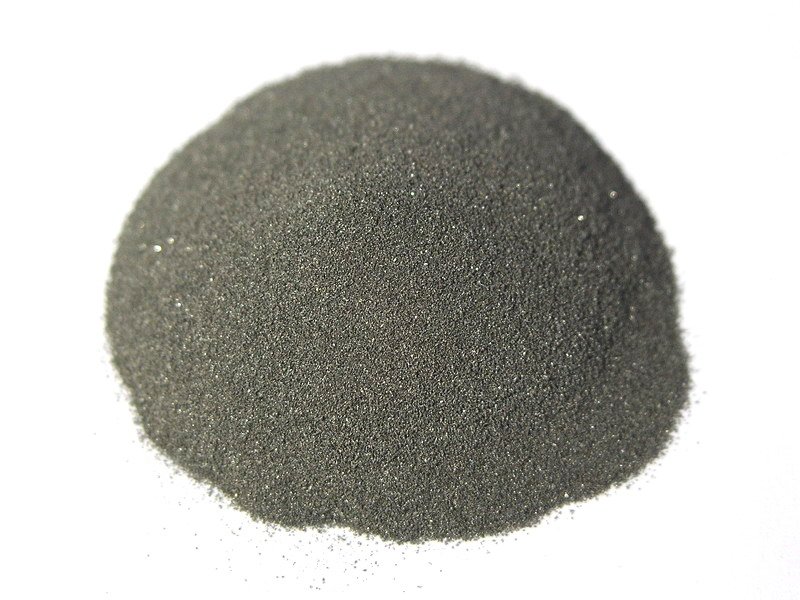
Composite titanium powder is increasingly recognized for its versatility and superior performance in various industries. This material combines titanium with other elements to enhance properties such as strength, corrosion resistance, and biocompatibility. The unique characteristics of composite titanium powder make it ideal for applications ranging from aerospace to biomedical fields.
The production process typically involves mixing pre-alloyed or elemental powders, followed by methods like cold isostatic pressing and hot isostatic pressing. This method ensures a dense and uniform final product, suitable for demanding applications. The growth of additive manufacturing has further propelled the use of titanium powders, allowing for innovative designs and lightweight components.
As industries continue to seek high-performance materials, understanding the benefits and applications of composite titanium powder becomes essential. This substance not only meets the rigorous demands of modern engineering but also offers opportunities for advancements in technology and design.
Composition And Properties Of Composite Titanium Powder

Composite titanium powders are engineered to enhance the mechanical properties of titanium and its alloys. Understanding their composition and key properties is essential for optimizing their applications in various industries like aerospace and medical devices.
Explanation Of Composite Materials
Composite titanium powder typically consists of titanium matrix reinforced with various additives. These additives can include metal oxides, carbides, or other reinforcing agents that improve the material’s strength, wear resistance, and thermal stability.
The most common titanium powders include those made from commercially pure titanium and titanium alloys, such as Ti-6Al-4V. Reinforcements like silicon carbide or titanium diboride enhance the mechanical properties significantly.
The production processes for composite titanium powders, such as powder metallurgy and spark plasma sintering, ensure uniform dispersion of these reinforcement phases, leading to improved functionality in end-use applications.
Key Properties Of Titanium And Its Alloys
Titanium is renowned for its unique combination of properties, making it an ideal choice for composite materials. The key properties include:
- High Strength-to-Weight Ratio: Titanium’s lightweight nature, combined with its exceptional strength, makes it ideal for aerospace applications.
- Corrosion Resistance: Titanium and its alloys are highly resistant to corrosion, which is essential for applications in harsh environments.
- Biocompatibility: Titanium’s non-reactive nature allows for its use in medical implants and devices without causing adverse reactions.
In composite forms, these properties can be further enhanced, leading to materials that can withstand higher loads and operate in more extreme conditions.
Benefits Of Using Composite Titanium Powder In Manufacturing
The use of composite titanium powder offers several advantages in manufacturing processes. These benefits include:
- Improved Mechanical Performance: Incorporating reinforcements leads to higher strength, hardness, and wear resistance, which is critical in demanding applications.
- Enhanced Design Flexibility: The powder metallurgy process allows for the production of complex shapes and tailored properties, making it versatile for various applications.
- Cost-effectiveness: While titanium can be expensive, the use of composite powders can reduce material waste and processing times, leading to overall cost savings.
These characteristics position composite titanium powder as a superior choice for industries aiming to leverage advanced materials for performance-driven applications.
Applications Of Composite Titanium Powder

Composite titanium powder is increasingly being utilized across various industries due to its unique properties. The material offers advantages such as low weight, exceptional strength, and high corrosion resistance. Its applications span critical fields including aerospace, medical devices, and automotive engineering.
Aerospace Industry
In the aerospace sector, composite titanium powder plays a pivotal role in manufacturing lightweight components. The high specific strength of titanium allows aircraft to reduce overall weight, which enhances fuel efficiency.
Components such as turbine blades, engine housings, and airframe structures benefit significantly from this material. Furthermore, titanium’s resistance to fatigue and extreme temperatures makes it ideal for high-performance applications.
The adoption of advanced manufacturing techniques, such as powder bed fusion, allows for intricate designs to be produced with composite titanium powder. This technology ensures that critical components can withstand harsh operating conditions and maintain integrity over time.
Medical Implants And Devices
Composite titanium powder is widely used in the medical field, particularly in the production of implants and devices. Its biocompatibility ensures that it integrates well with human tissue, making it a preferred choice for orthopedic and dental implants.
Titanium-based materials also exhibit excellent corrosion resistance, critical for implants exposed to bodily fluids. Products such as orthopedic screws, plates, and custom prosthetics are often manufactured using composite titanium powder to meet specific patient needs.
The versatility of titanium enables the creation of complex shapes that enhance fit and functionality. Moreover, advancements in additive manufacturing techniques allow for tailored solutions in medical applications, improving patient outcomes and recovery times.
Automotive And Other Engineering Applications
In automotive engineering, composite titanium powder is used to create lightweight yet durable components. This application contributes to improving vehicle performance and fuel efficiency while enhancing safety features.
Parts such as suspension components, exhaust systems, and connecting rods benefit from the strong mechanical properties of titanium. Its lower weight reduces the overall mass of vehicles, leading to better handling and acceleration.
Additionally, composite titanium powder finds applications in other engineering fields, including robotics and machinery. Its unique combination of strength and low weight makes it suitable for high-performance applications where traditional materials may fall short. This adaptability fosters innovation across various technological advancements.
Manufacturing Processes Involving Composite Titanium Powder

Composite titanium powder plays a significant role in various manufacturing processes, particularly in producing advanced materials. Techniques such as powder metallurgy and additive manufacturing are essential for utilizing these composite powders effectively.
Powder Metallurgy Techniques
Powder metallurgy (PM) is a crucial technique for manufacturing components from composite titanium powders. It involves several steps: powder production, compaction, and sintering.
In this process, titanium powders are first combined with reinforcing agents like ceramics or other metals to enhance mechanical properties. The mixture is then compacted under high pressure into desired shapes. Next, the compacted material is sintered at elevated temperatures to bond the particles together.
This method is notable for producing parts with minimal waste and high material efficiency. Control over particle size and shape allows for customizing material properties, making PM an attractive option for various industries.
Additive Manufacturing And 3D Printing
Additive manufacturing (AM) represents a transformative approach to utilizing composite titanium powders. This technology enables the creation of complex geometries directly from digital models.
Processes like selective laser melting (SLM) and electron beam melting (EBM) are frequently used with composite powders. In SLM, a laser selectively melts layers of powder, creating a 3D object layer by layer. Conversely, EBM uses an electron beam in a vacuum to achieve similar results.
The flexibility of AM offers unique advantages, such as reduced lead times and the ability to customize designs for specific applications. Additionally, these methods produce less waste compared to traditional manufacturing, making them more sustainable.
Challenges And Advancements In Production Methods
Despite their advantages, manufacturing with composite titanium powders presents challenges. Controlling the uniformity and distribution of the composite materials can be difficult, affecting the overall quality of the final product.
Moreover, optimizing sintering parameters and understanding the interactions between different powder components require further research.
Recent advancements, including improved powder processing techniques and real-time monitoring systems, aim to address these issues. By enhancing consistency and reliability in manufacturing, these innovations promote broader adoption of composite titanium powders in critical applications, from aerospace to medical implants.
Conclusion
Composite titanium powder plays a crucial role in various advanced applications. It offers unique properties that enhance mechanical performance while facilitating innovative manufacturing processes. The following subsections will explore its significance, future trends, and overall impact on technology and industry.
Summary Of The Significance Of Composite Titanium Powder
Composite titanium powders are known for their exceptional strength-to-weight ratio and corrosion resistance. These characteristics make them suitable for applications in aerospace, biomedical, and automotive sectors.
They allow for the production of parts that are both lightweight and durable. The incorporation of different materials within the titanium matrix enhances the mechanical properties, tailoring the powder for specific applications.
For instance, the addition of ceramics can improve hardness, while metal reinforcements can increase toughness. This versatility is a key factor in the rising demand for composite titanium powders in additive manufacturing and other advanced techniques.
Future Trends And Potential Developments In The Field
The future of composite titanium powder is promising, particularly with advancements in powder metallurgy and 3D printing technologies. Research is increasingly focused on optimizing compositions and processing techniques to further enhance properties.
Emerging methods, like Spark Plasma Sintering (SPS), could lead to improved mechanical performance and microstructural integrity. There’s also potential for the development of hybrid materials, combining titanium with polymers or other metals for multifunctional applications.
Sustainability initiatives may drive innovation as well, prompting the exploration of eco-friendly production methods for titanium powders. Enhanced recycling processes and reduced waste will likely become essential in this evolving landscape.
Final Thoughts On The Impact Of Composite Titanium Powder On Technology And Industry
Composite titanium powder is poised to have a significant impact on various industries by enabling the production of high-performance components. Its growing use in 3D printing illustrates its transformative potential in manufacturing.
The material’s unique properties contribute to the development of lighter, stronger, and more efficient parts, which can lead to cost savings and improved performance. As industries continue to embrace advanced materials, composite titanium powder will likely play a critical role in driving technological progress.
In conclusion, the ongoing research and advancements in this field suggest a bright future for composite titanium powder, aligning with the needs of modern engineering and manufacturing challenges.