
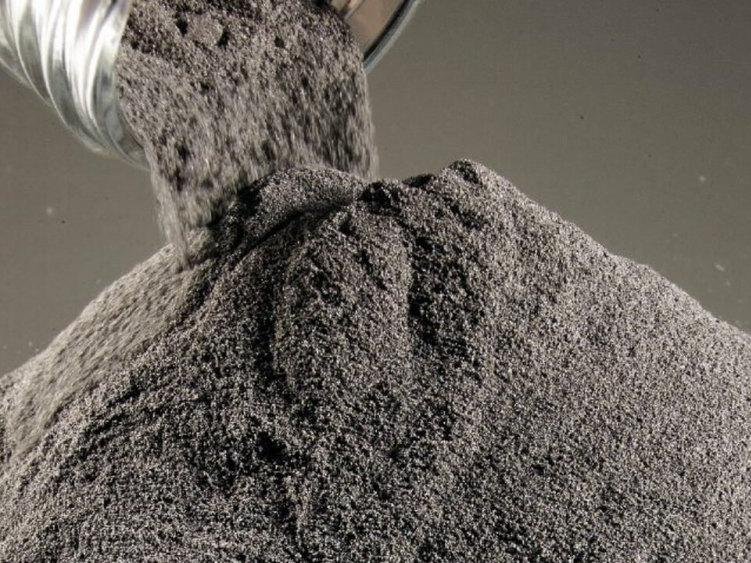
Tungsten metal powder has become increasingly significant across various industries, particularly in manufacturing and aerospace. Its unique properties, such as high density and resistance to wear, make it an ideal choice for a range of applications. As of now, the price of tungsten metal powder typically ranges from CNY 305 to CNY 308 per kilogram, reflecting both domestic and global market forces.
Market demand influences the pricing of tungsten powder, with fluctuations closely tied to economic trends and production rates. Understanding these trends is crucial for industries relying heavily on this material. With prices reflecting these dynamics, staying informed can help businesses make strategic purchasing decisions.
The analysis of tungsten prices also highlights broader economic implications. As supply chains become more complex and geopolitical factors play a role, prices can shift unexpectedly. Observing the current market conditions allows industry stakeholders to navigate this valuable commodity effectively.
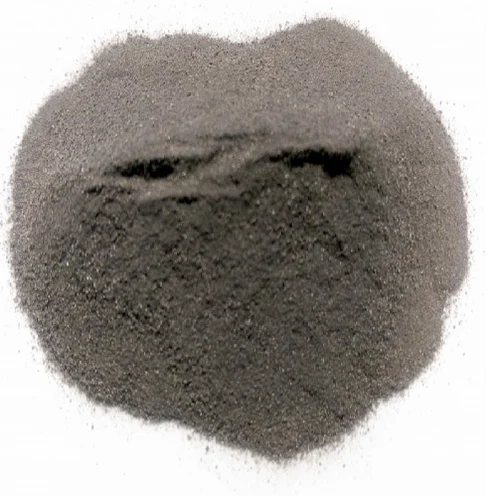
Factors Influencing Tungsten Metal Powder Prices
Tungsten metal powder prices are affected by various interconnected factors. Key influences include supply and demand dynamics, fluctuations in market trends, economic indicators, and advancements in production technologies. Understanding these factors provides insight into price volatility and market behavior.
Supply and Demand Dynamics
The balance between supply and demand directly impacts tungsten metal powder prices. Increased industrialization leads to higher demand, especially in sectors like manufacturing and aerospace, where tungsten’s properties are crucial.
Conversely, limited mining operations and geopolitical factors can restrict supply. Countries rich in tungsten resources may impose export controls, affecting availability in global markets. Ongoing geopolitical tensions can also disrupt supply chains, causing price spikes.
The current trend shows that tightening supply, coupled with robust demand, is resulting in higher prices for tungsten powder. Companies need to monitor these dynamics closely to make informed purchasing decisions.
Market Trends and Economic Indicators
Market trends significantly influence tungsten prices. For instance, fluctuations in the prices of related metals can create ripple effects, impacting tungsten powder costs. As of 2023, the average tungsten concentrate price was around US$16,800 per ton, indicating strong market performance.
Economic indicators such as GDP growth, manufacturing output, and international trade conditions provide critical insights. When economies expand, industries tend to increase production, elevating demand for tungsten. Conversely, economic downturns can lead to reduced manufacturing activity, resulting in lower demand.
Investors also observe these trends, as tungsten is deemed a strategic material. Heightened interest in tungsten investments often correlates with rising prices.
Technological Advancements in Production
Technological advancements play a significant role in affecting tungsten metal powder prices. Innovative mining and refining techniques can lead to more efficient extraction processes, potentially lowering production costs.
Additionally, new methods for recycling tungsten from scrap can increase available supply. This reduces dependency on newly mined tungsten and keeps prices more stable.
The development of advanced materials that utilize tungsten can also impact demand. As industries evolve, the need for high-performance materials drives innovation in production techniques, ultimately affecting pricing.
Staying informed about these technological changes helps businesses adapt to price fluctuations, ensuring they remain competitive in the market.
Historical Price Trends
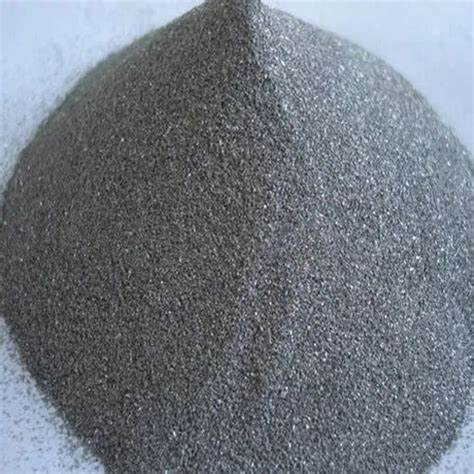
Tungsten metal powder prices have shown significant fluctuations over the years, influenced by various market dynamics and events. Understanding the historical context of these price trends provides valuable insights for stakeholders in the industry.
Overview of Tungsten Metal Powder Price Trends
Historically, tungsten metal powder prices have experienced a range of changes due to supply and demand dynamics. In recent years, prices have generally hovered around $43-44 USD/kg for tungsten carbide as of November 2024. The average price for tungsten carbide has shown a slight increase, indicating stability in demand.
The timeline shows periods of volatility, particularly during economic downturns. For instance, tungsten prices dropped significantly in the early 2010s but recovered as industries such as aerospace and automotive grew. Regular monitoring of price tables can help track these fluctuations, as available from Metalary.
Significant Events Affecting Prices
Several key events have shaped tungsten prices. One major factor is the availability of tungsten mines worldwide. Political instability in countries like China, where a large portion of tungsten is sourced, can disrupt supply and lead to price hikes.
Economic trends also play a crucial role. For instance, during the COVID-19 pandemic, disruptions in mining operations caused a temporary spike in prices. In contrast, initiatives to develop alternative mining sources have helped stabilize prices.
Trade policies and tariffs imposed on tungsten can introduce additional volatility. Buyers should keep abreast of these developments to anticipate pricing changes.
Comparative Analysis with Other Metal Powders
When analyzing tungsten metal powder prices, it is crucial to compare them with other metal powders like aluminum and titanium. In recent months, tungsten has been priced higher due to its unique properties, such as high density and melting point.
For instance, aluminum powder typically ranges from $2-3 USD/kg, which highlights tungsten’s premium price position. Additionally, titanium powder, generally priced between $10-15 USD/kg, showcases how tungsten’s specialized applications command higher costs.
These comparative insights underscore the strategic importance of tungsten in various industrial applications, justifying its premium pricing in the market. Monitoring pricing trends for alternative powders can also provide context for tungsten’s market position.
Future Outlook for Tungsten Metal Powder Prices
The future of tungsten metal powder prices is expected to be influenced by various market dynamics, including current trends, potential challenges, and the impact of emerging technologies. Understanding these factors can provide insights into pricing fluctuations and market opportunities.
Predictions Based on Current Market Analysis
Recent trends indicate that tungsten metal powder prices may continue to reflect fluctuations linked to supply and demand dynamics. As of November 2024, tungsten powder prices were reported at around $44/kg, demonstrating slight volatility driven by production costs and global demand.
Analysts suggest that prices will stabilize with an upward trajectory over the next few years due to increasing applications in sectors like aerospace, automotive, and electronics. Forecasts predict that prices could rise by approximately 10-15% annually, particularly with growing interest in high-performance materials.
Potential Challenges and Opportunities
The tungsten market faces several challenges that could affect pricing. Supply chain disruptions, often caused by geopolitical tensions or environmental regulations, can lead to increased production costs. Moreover, mining operations in major producing countries must navigate fluctuating labor costs and compliance measures.
On the other hand, opportunities exist in the form of new mining projects and the recycling of tungsten from scrapped materials. Companies that innovate retrieval methods and establish efficient recycling processes may benefit from cost reductions and increased availability.
Influence of Emerging Technologies and Alternative Materials
Emerging technologies play a significant role in shaping the future of tungsten metal powder. Innovations in metallurgical processes are expected to enhance production efficiency, potentially lowering costs. The integration of AI and automation in mining and processing could further streamline operations.
Additionally, alternative materials such as titanium and composites pose a competitive challenge. As industries explore substitute options for specific applications, the demand for tungsten powder could either decrease or adapt based on performance requirements. Understanding these shifts will be crucial for stakeholders in the tungsten market to capitalize on emerging trends.
Conclusion
Tungsten metal powder prices are influenced by several factors. These include market demand, production levels, and geopolitical considerations.
In recent years, fluctuations have been notable due to changes in industrial applications and supply chain disruptions. Factors such as increased industrialization can lead to a rise in demand for tungsten, impacting its price.
According to recent data, tungsten prices may vary regionally. The price dynamics in Asia have shown complexity, affected by moderate supply levels and external market pressures.
Investment in tungsten remains an attractive option due to its strategic importance. The metal’s role in various applications makes it essential in modern manufacturing and technology.
Monitoring price trends and market developments is crucial for stakeholders. Engaging with reliable reports and market analyses helps in making informed decisions.
In summary, understanding tungsten metal powder pricing involves analyzing multiple interconnected factors in the global market. Staying updated on trends and changes will aid in navigating this dynamic landscape.