
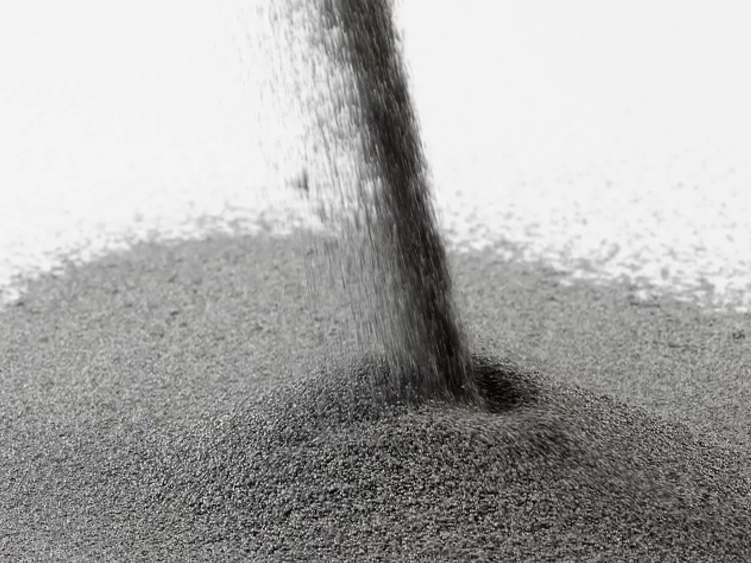
Powdered metal manufacturing is a highly efficient process utilized to create parts and components from metal powders. This technique includes methods such as sintering, where compacted metal powders are heated to just below their melting points to form solid structures. The versatility of powdered metal manufacturing allows for the production of complex shapes and high-performance components with minimal waste.
This method offers significant advantages over traditional metalworking techniques, including the ability to produce unique materials and increase production efficiency. Companies are increasingly turning to this technology to meet the demands of competitive markets, as it can lower costs while ensuring consistent quality.
Understanding the nuances of powdered metal manufacturing can open doors to innovative design possibilities. This blog post will explore the various processes involved, the benefits they provide, and how businesses can leverage this technology to enhance their manufacturing capabilities.
The Powdered Metal Manufacturing Process
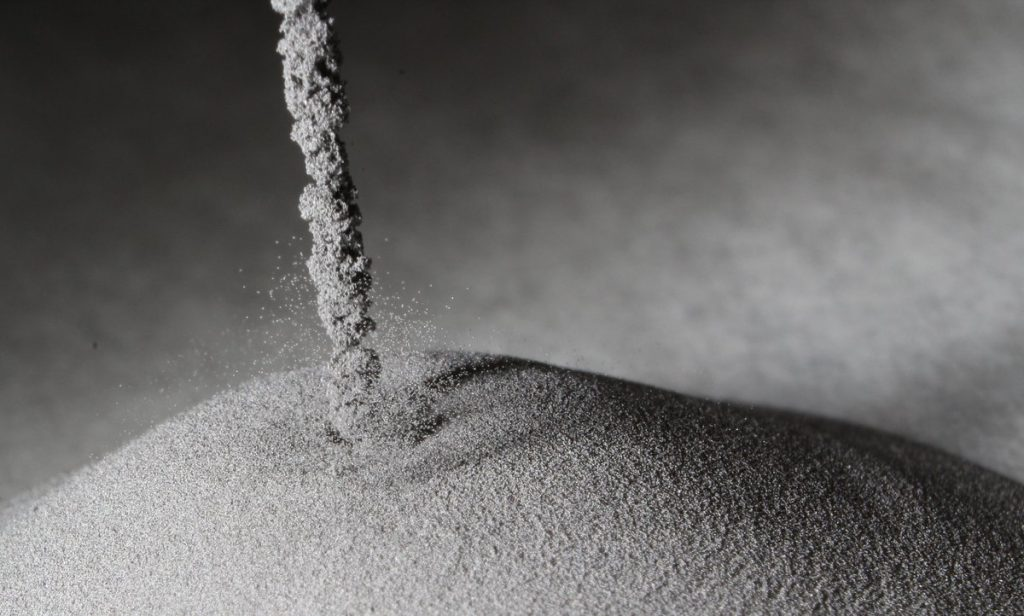
This process involves several key steps to transform metal powders into finished components. Understanding both the procedural steps and the types of powders used is crucial for effective powdered metal manufacturing.
Overview Of The Steps Involved
The powdered metal manufacturing process begins with the selection of metal powders, which are then processed into the desired shape through several steps.
- Powder Production: Various methods such as atomization or chemical reduction are used to produce fine metal powders.
- Mixing: Powders may be combined with additives to enhance properties like flowability or sintering behaviors. This mixing is crucial for uniformity.
- Compaction: The mixed powders are placed into a die and pressed under high pressure. This step is vital for achieving density and shape.
- Sintering: The compacted part is heated in a controlled environment. The temperature is below the melting point, allowing the particles to bond without liquefying.
- Finishing: After sintering, additional processes like machining or surface treatment may be applied to enhance dimensional accuracy and surface quality.
Types Of Powders Used
In powdered metal manufacturing, various types of powders serve different purposes.
- Iron Powders: Commonly used due to their excellent mechanical properties. They are often employed in applications requiring durability.
- Copper Powders: These powders are used for electrical applications because of their high conductivity.
- Alloy Powders: Mixtures of different metals often enhance specific characteristics like strength or corrosion resistance.
- Recycled Powders: With increasing attention on sustainability, recycled metal powders are gaining popularity for their lower environmental impact.
Choosing the right type of powder is essential, as it directly influences the final product’s performance and application suitability.
Advantages Of Powdered Metal Manufacturing
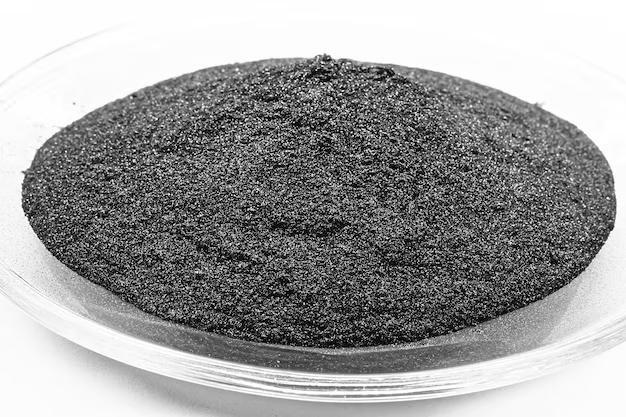
Powdered metal manufacturing offers several advantages that contribute to its popularity in various industries.
Precision and Control
The process allows for precise control over the final properties of the products. Factors such as powder type, particle size, and sintering conditions can be finely tuned to achieve desired mechanical characteristics such as strength and ductility.
Cost Efficiency
This manufacturing method can reduce material waste significantly. Due to the ability to produce complex shapes directly from powders, less machining may be necessary, lowering costs.
Ability to Create Complex Geometries
Powder metallurgy can produce intricate shapes that would be challenging or impossible to create with traditional methods. This capability makes it ideal for applications in industries such as automotive and aerospace.
Enhanced Material Properties
Processes like hot isostatic pressing (HIP) can improve density and mechanical properties. This results in components that often exhibit superior performance and durability compared to traditionally manufactured parts.
Diverse Applications
Powdered metal is utilized in a wide range of sectors. It is found in automotive parts, medical devices, and electrical contacts, demonstrating its versatility.
In conclusion, the advantages of powdered metal manufacturing make it a valuable choice for producing high-performance components across various fields. Each benefit contributes to better overall product quality and efficiency in manufacturing processes.
Applications Of Powdered Metal
Powdered metal manufacturing plays a crucial role in various industries due to its flexibility and efficiency. Here are key sectors that benefit from this technology, along with examples of the products created through it.
Industries Utilizing Powdered Metal
Multiple industries leverage powdered metal processes for their unique advantages. These include:
- Automotive: The automotive sector uses powdered metal for producing intricate components like gears, bearings, and valve guides. These parts often require high precision and durability.
- Aerospace: Aerospace relies on powdered metal for lightweight structural components. The ability to minimize waste in production is critical for enhancing performance and reducing costs.
- Electronics: In electronics, powdered metal is integral for making parts like connectors and housings. These components benefit from tight tolerances and conductivity.
- Medical: The medical field utilizes powdered metal to create implants and surgical instruments. Customization and biocompatibility are essential factors in this industry.
Examples Of Products Made From Powdered Metal
Various products manufactured through powdered metal include:
- Bearings: These components take advantage of the unique properties of powdered metals, offering low friction and high strength.
- Gears: Precision gears manufactured through this process ensure reliability and longevity in machinery, which is essential in both automotive and industrial applications.
- Structural Parts: Critical parts in machinery that need to withstand stress are commonly produced using powdered metallurgy techniques.
- Cutting Tools: High-performance tools, such as drills and blades, benefit from the wear resistance provided by powdered metals.
This technology not only improves manufacturing efficiency but also enhances the performance characteristics of these products.
Conclusion
Powdered metal manufacturing offers significant advantages in various sectors. This method allows for the efficient production of high-quality components while minimizing waste.
The process involves several key steps:
- Production of Metal Powders: Creating fine metal particles through various methods.
- Compaction: Compressing the powders into a desired shape using molds.
- Sintering: Heating the compacted forms just below their melting point to enhance strength.
This approach supports the creation of complex geometries that are often difficult to achieve with traditional methods. Moreover, it allows for material savings, contributing to lower overall costs.
Industries such as automotive, aerospace, and medical devices widely utilize powdered metal techniques. The versatility of materials, including various alloys and non-metals, enhances its applicability.
Continuous innovations in technology will likely expand the capabilities and efficiency of powdered metal manufacturing. As businesses aim for superior performance and cost-effectiveness, the adoption of this method will remain significant.
By leveraging the unique strengths of powdered metallurgy, companies can achieve both competitive advantage and sustainability in their manufacturing processes.