
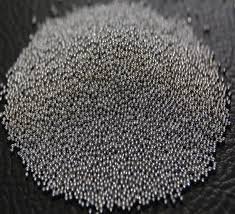
Spherical titanium powder is becoming increasingly important in various industries. Its unique properties make it ideal for 3D printing, aerospace, and medical applications. Understanding how this material is produced and why it is favored can provide insights into its versatile uses and benefits.
Manufacturers produce spherical titanium powder through processes that enhance its shape and functionality. This powder exhibits qualities such as high strength and low density, allowing it to meet demanding requirements in high-tech sectors. As industries continue to innovate, the demand for this specialized material is expected to grow.
This article will explore the production methods, properties, and diverse applications of spherical titanium powder. Readers will discover how this material is shaping the future of technology and manufacturing.
Key Takeaways
- Spherical titanium powder has unique properties for specialized uses.
- Its production methods contribute to its performance in various applications.
- The material is vital in industries such as aerospace and medicine.
Production and Properties
Spherical titanium powder is produced using various techniques that affect its physical and chemical properties. Understanding these methods and characteristics is essential for applications in different industries.
Manufacturing Techniques
Spherical titanium powder is commonly made through methods like gas atomization and plasma atomization.
-
Gas Atomization: This method involves melting titanium and then forcing it through a nozzle into a gas stream. The rapid cooling produces spherical droplets that solidify into powder.
-
Plasma Atomization: Here, titanium is melted using plasma torches. The molten titanium is then dispersed into fine droplets that cool quickly, forming spherical particles.
These techniques ensure a consistent particle shape and size, which is crucial for applications in aerospace and medical fields.
Physical Characteristics
The physical properties of spherical titanium powder include size, shape, and flowability.
-
Particle Size: Typical sizes range from 15 to 100 micrometers. Smaller particles enhance fluidity and packing.
-
Shape: The spherical shape improves flow characteristics and allows for better packing densities compared to irregular powders.
-
Flowability: Good flowability is essential for powder metallurgy processes. Spherical titanium powder tends to have better flow properties than non-spherical counterparts.
These features are important for manufacturing processes and end-use performance.
Chemical Properties
Spherical titanium powder has distinct chemical properties that influence its behavior in various environments.
-
Reactivity: Titanium is known for its high resistance to corrosion, making it suitable for harsh environments. It forms a protective oxide layer.
-
Purity: High-purity titanium powders often exceed 99% titanium content. This purity improves performance in high-stakes applications, like implants or aerospace components.
-
Composition: Spherical titanium powder can also contain alloying elements like aluminum or vanadium. These additions can enhance specific properties such as strength and ductility.
These chemical characteristics are crucial for ensuring the reliability and longevity of products made from the powder.
Applications
Spherical titanium powder has important uses in several fields. These applications highlight the material’s unique properties and versatility.
Aerospace Engineering
In aerospace engineering, spherical titanium powder is crucial for creating lightweight and strong components. It is often used in parts like turbine blades and structural components of aircraft.
Advantages:
- Weight Reduction: Spherical titanium is lighter than many metals, improving fuel efficiency.
- High Strength-to-Weight Ratio: This property ensures that components can withstand high stress while remaining light.
Manufacturers use techniques like powder metallurgy to shape the material into complex parts, enhancing performance and safety in aviation.
Biomedical Devices
Spherical titanium powder is also significant in the biomedical field. It is commonly used in implants and prosthetics due to its biocompatibility.
Key Features:
- Resistance to Corrosion: This quality allows implants to last longer in the human body.
- Promotes Bone Growth: The powder’s porous structure encourages natural bone integration.
Medical professionals rely on titanium for devices like joint replacements and dental implants, ensuring patient safety and effective recovery.
Additive Manufacturing
In additive manufacturing, or 3D printing, spherical titanium powder is a preferred material for producing intricate designs. This process allows for customized shapes and sizes.
Benefits:
- Design Flexibility: Designers can create complex geometries that are difficult to achieve with traditional methods.
- Material Efficiency: This method reduces waste, as it uses only the required amount of powder.
It is commonly used to produce components for aerospace, automotive, and medical applications, showcasing its adaptability across industries.
Frequently Asked Questions
This section answers common questions regarding spherical titanium powder, including its pricing, applications, mesh size impact, storage needs, differences with ferro titanium powder, and alternatives.
What determines the price of spherical titanium powder?
The price of spherical titanium powder is influenced by factors like production methods, raw material costs, and market demand. The purity level and specific characteristics, like size and shape, also play a role. Supply chain dynamics and competition can further affect pricing.
What applications typically require the use of spherical titanium powder?
Spherical titanium powder is commonly used in metal additive manufacturing, aerospace components, and medical implants. It is also valuable in industries like automotive and electronics for producing lightweight and durable parts. These applications benefit from the unique properties of the powder.
How does the mesh size affect the properties and application of metal powders?
Mesh size determines the particle size and distribution of metal powders. Finer mesh sizes can improve flowability and packing density, making them suitable for specific applications, like 3D printing. Coarser powders may be used for different processes, affecting the final product’s strength and surface finish.
What are the storage requirements for spherical titanium powder to ensure safety and quality?
Spherical titanium powder should be stored in a cool, dry place to prevent moisture absorption. It is important to keep it in sealed containers to protect it from environmental contamination. Proper labeling and segregation from reactive materials are also essential for safety.
What are the key differences between ferro titanium powder and pure titanium powder?
Ferro titanium powder contains iron along with titanium, which can affect its properties. Pure titanium powder is used when high purity is required, while ferro titanium may be more cost-effective for certain applications. The choice between them depends on the specific needs of the application.
Are there any alternative materials to spherical titanium powder for similar applications?
Alternatives to spherical titanium powder include aluminum powder and other metal alloys. Each material offers different properties, which may be beneficial depending on the application. For instance, aluminum is lighter, while certain alloys may provide enhanced strength or corrosion resistance.