

Tantalum carbide powder is increasingly recognized for its unique properties and extensive applications across various industries. This hard, brittle ceramic is known for its metallic conductivity and remarkable resistance to heat and wear. Its fine grain size and high purity make tantalum carbide powder an essential material for cutting tools and specialized coatings in sectors such as aerospace and automotive.
Manufacturers and engineers appreciate tantalum carbide for its role in enhancing the performance of hard metal cutting tools. The combination of durability and strength ensures that tools made from this material can withstand demanding operating conditions. As the demand for high-performance materials grows, so does the relevance of tantalum carbide powder in advanced manufacturing processes, including chemical vapor deposition and physical vapor deposition techniques.
Exploring the characteristics and applications of tantalum carbide powder reveals its critical role in modern technology. From improving the lifespan of industrial tools to its use in microelectronic fabrication, this material offers substantial advantages that merit closer examination. Understanding its properties can provide valuable insights for those interested in material science and engineering applications.

Properties of Tantalum Carbide Powder
Tantalum carbide powder exhibits a range of unique physical and chemical characteristics that make it suitable for various industrial applications. Understanding these properties, along with how it compares to other carbide materials, is essential for its effective utilization.
Physical and Chemical Characteristics
Tantalum carbide (TaC) is recognized for its exceptional hardness, ranking around 9 on the Mohs scale. This property makes it highly resistant to wear, contributing to its use in cutting tools and abrasive applications.
It possesses a high melting point of approximately 3,540 °C (6,424 °F), which enhances thermal stability, making it suitable for high-temperature environments. Its unique structure allows it to maintain integrity under stress.
The compound is also chemically stable, resisting oxidation and corrosion in various atmospheres. Tantalum carbide is a dense powder, typically presenting as a heavy, brown substance. The processing often utilizes techniques such as sintering to achieve desired particle sizes and shapes.
Comparison with Other Carbide Materials
When compared to other carbide materials like tungsten carbide, tantalum carbide demonstrates superior hardness and thermal stability. While tungsten carbide excels in toughness, TaC offers a compelling combination of hardness and high-temperature performance.
Tantalum carbide also outperforms silicon carbide in terms of chemical stability, particularly in reactive environments. This stability is critical for applications in aerospace and military industries where material integrity is paramount.
The density of TaC varies with composition, generally falling between 14 g/cm³ and 16 g/cm³, making it one of the heavier carbides. These characteristics allow it to be used as an additive in other composite materials to enhance hardness and durability.
Importance of These Properties in Applications
The unique properties of tantalum carbide powder make it indispensable in numerous applications. Its hardness not only allows for the production of durable cutting tools but also extends to the aerospace industry, where it provides enhanced resilience in extreme conditions.
Furthermore, its high melting point and thermal stability ensure that it can be utilized in environments that exceed the capabilities of standard materials. This feature is crucial in the manufacturing of high-performance ceramics and other industrial components exposed to elevated temperatures.
In addition, the chemical stability of tantalum carbide reduces the frequency of maintenance and replacements in machinery, proving cost-effective in industrial operations. The versatile applications range across various sectors, underlining the significance of its physical and chemical characteristics.
Applications of Tantalum Carbide Powder
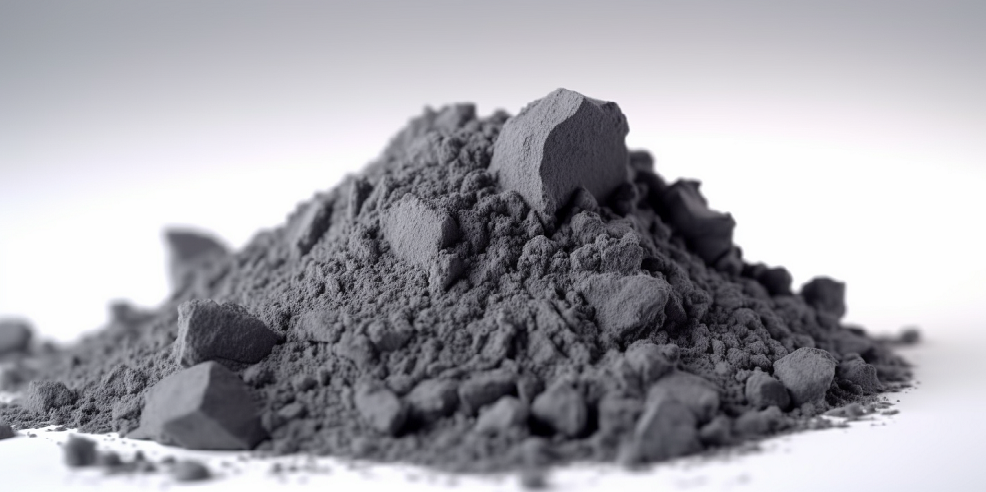
Tantalum carbide powder is recognized for its valuable applications across various industries. Its unique properties, including high melting points and exceptional hardness, make it suitable for specific uses.
Use in the Aerospace and Defense Sectors
In aerospace and defense, tantalum carbide powder plays a crucial role due to its high thermal stability and hardness. It is often used in coatings for jet engine components, where it withstands extreme temperatures and oxidative environments.
Additionally, its resistance to wear and corrosion under harsh conditions enhances the longevity of aerospace components. The material can also be part of armor-piercing ammunition, benefiting from its durability and resistance to deformation.
Role in Electronics and Semiconductor Manufacturing
Tantalum carbide powder is utilized in electronics and semiconductor manufacturing for its conductive properties. It is integral in producing thin films and coatings on electronic components.
These films enhance the performance of capacitors and other electronic parts, contributing to improved efficiency. Manufacturers appreciate its ability to maintain stability at high temperatures, which is essential for reliable electronic operation.
Applications in Cutting Tools and Wear-Resistant Coatings
Tantalum carbide powder is notably effective in the production of cutting tools and wear-resistant coatings. Its hardness surpasses many other materials, making it ideal for cutting applications in hard metals and alloys.
It is commonly added to tungsten carbide to enhance wear resistance, ensuring tools remain effective over time. Additionally, its use in wear-resistant coatings protects machinery and equipment from damage, reducing maintenance costs and increasing operational efficiency.
Production and Processing of Tantalum Carbide Powder
Tantalum carbide powder is produced through various synthesis methods, each with its unique advantages and challenges. Understanding these techniques is essential for optimizing quality and efficiency in production.
Methods of Synthesis and Purification
Several methods exist for synthesizing tantalum carbide, including carbothermic reduction and mechanical alloying. In the carbothermic reduction method, tantalum oxide is mixed with carbon and heated to high temperatures, typically between 1,800 °C and 2,000 °C, often in a hydrogen atmosphere to prevent oxidation. Another approach involves mechanical alloying, where tantalum and carbon powders are blended and ground together, facilitating the creation of tantalum carbide at lower temperatures.
Purification techniques, such as hydrogen reduction or vacuum processing, are employed to remove impurities, ensuring a high-quality product. The specific surface area of the resulting powders usually varies between 8-25 m2/g, affecting their subsequent applications.
Challenges in the Production Process
The production of tantalum carbide powder presents various challenges that impact yield and quality. One significant issue is the high temperatures needed for synthesis, which can lead to energy inefficiencies. Additionally, maintaining an optimal atmosphere during processing is critical to avoid contamination from oxygen or moisture.
The homogeneity of the starting materials is another challenge. Variations in the quality or composition of tantalum and carbon feedstocks can result in inconsistent particle sizes and distributions in the final powder. Moreover, safety protocols must be strictly adhered to, given the reactive nature of the materials involved.
Innovations in Processing Techniques
Recent developments in tantalum carbide production have introduced innovative processing techniques aimed at improving efficiency and quality. Advanced techniques such as microwave-assisted synthesis are gaining attention for their ability to significantly reduce reaction times and energy consumption.
The use of nanotechnology for creating ultra-fine particles has shown promise in enhancing the performance of tantalum carbide in applications such as cutting tools. Additionally, novel purification methods, including solvent extraction, are being explored to improve the removal of impurities while ensuring sustainability in the production process. These innovations are essential for meeting the growing demand for high-performance materials in various industries.
Conclusion
Tantalum carbide powder plays a crucial role in various industries due to its exceptional properties. It not only offers high thermal resistance but also enhances material performance in demanding applications. Understanding its importance, potential future trends, and overall contribution to technology provides valuable insights.
Recap of the Importance of Tantalum Carbide Powder
Tantalum carbide powder is integral in creating materials that must withstand extreme temperatures and corrosive environments. Its high melting point of 4450°C makes it a preferred choice in aerospace, defense, and tooling applications. The powder can be processed into various forms, allowing it to be integrated into complex alloys and multifunctional components. Additionally, its resistance to wear and thermal shock further contributes to its significance in industries that require reliable performance under harsh conditions.
Future Trends and Potential Developments in Its Applications
Emerging research in tantalum carbide powder indicates ongoing advancements in its applications. Future developments may include enhanced methods of synthesis and processing, such as additive manufacturing techniques. These innovations could lead to tailored properties for specific uses, making tantalum carbide even more valuable in sectors like electronics and medical devices. Moreover, as industries shift towards sustainable materials, the exploration of tantalum carbide in composite forms may open new avenues for environmentally friendly technologies.
Final Thoughts on the Role of Tantalum Carbide Powder in Advancing Technology and Industry
Tantalum carbide powder significantly contributes to advancing technology and industry. Its utility in high-performance materials underscores its importance as industries face increasing demands for durability and efficiency. As research expands the understanding of its properties and potential applications, tantalum carbide is likely to play a pivotal role in the development of future technologies. This enduring relevance highlights the necessity for continued exploration and innovation within this material space.