
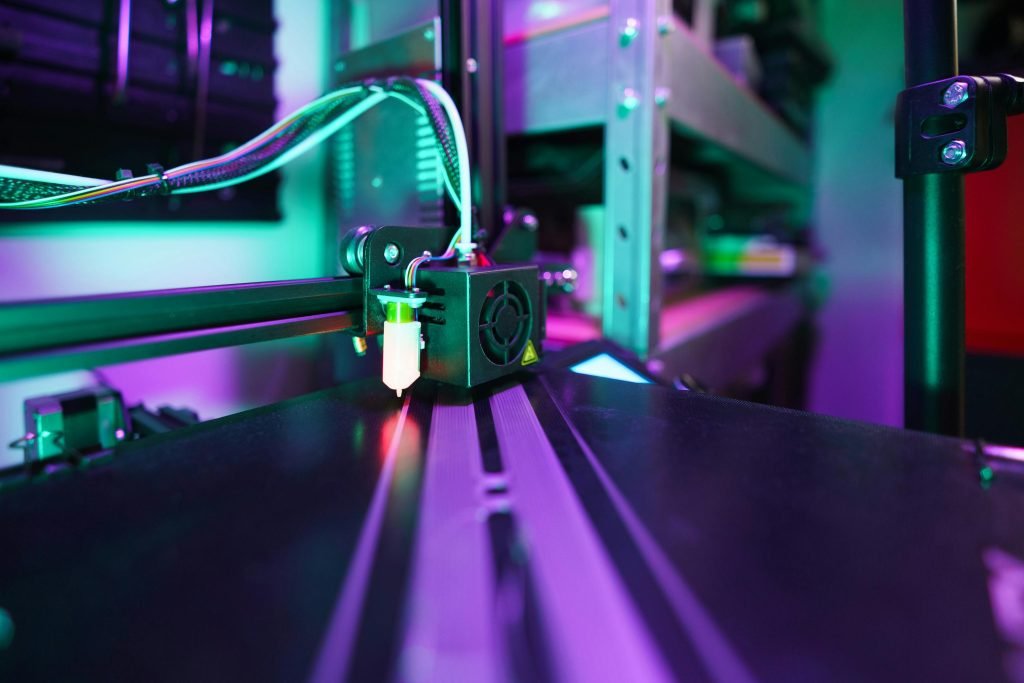
Let’s be honest: in the world of Direct-to-Film (DTF) printing, all the attention goes to the visible components. We obsess over ink vibrancy, the perfect powder cure, and the latest print head technology. But what happens when you face recurring, frustrating issues—blurry patterns, misaligned colors, or the need for constant recalibration?
Many DTF operators overlook the most unlikely source of the problem: the printer’s skeleton.
While you meticulously focus on consumables like ink, film, and nozzles, the machine’s core foundation—its metal frame and supporting structural components—is the “unsung hero” that determines its long-term performance and reliability.
Just as the quality of raw metal dictates the integrity of a final engineered product, the quality of a DTF printer’s structure dictates its output quality. This article will delve into why investing in a DTF printer built with superior, precision-engineered metal is essential for reliable, high-volume production, translating directly to reduced costs and better ROI.
The Three Critical Roles of the Metal Frame
The internal metal structure of a DTF printer is not just for holding parts; it is an active engineering element that enables high-quality printing.
The Ultimate in Stability and Precision
DTF printing demands microscopic precision. When a print head fires millions of droplets of CMYK and White ink, any minute vibration or structural movement can cause “ghosting” or noticeable pattern misalignment.
The Solution: A heavy, rigid frame made from quality metal (such as high-strength aluminum alloy or rigid steel) acts as a superior vibration dampener. This metal stability ensures that the print carriage moves along its rails with precision engineering, maintaining perfect print registration and delivering the crisp, high-resolution prints your customers expect.
Associated Material Science: Quality matters. Alloys like 6061 aluminum are frequently chosen in industrial applications for their exceptional stiffness-to-weight ratio, providing the necessary rigidity without excessive bulk.
Durability and Longevity
A DTF machine is an industrial workhorse, often running for long, continuous hours. A weak or flimsy frame will succumb to metal fatigue or deformation over time due to constant stress and motion.
The Solution: A robust metal construction resists the physical wear and tear of daily operation, ensuring the machine maintains its factory-level calibration for years. This commitment to durability means the printer can withstand the high-cycle stress of continuous production, a critical attribute for any long-term investment.
Associated Material Science: Look for materials with high fatigue strength and corrosion resistance (e.g., anodized aluminum or stainless steel components), as these are essential attributes for any industrial-grade equipment operating near liquid inks and high heat.Thermal Management and Consistency
The DTF workflow is highly sensitive to temperature. The process involves pre-heating the film and curing the adhesive powder, often requiring consistent heat across the entire print chamber. Inconsistent temperatures lead to poor powder adhesion or inadequate curing.
The Solution: The metal frame and integrated metallic components serve as effective heat conductors and dissipators. This helps distribute internal heat evenly, preventing hot spots or cold spots. This thermal stability ensures the curing process is consistent across every inch of the film, leading to perfect, uniform transfers every single time.
Associated Material Science: The thermal conductivity of materials like aluminum makes it an excellent choice for managing the heat profiles within the printer, ensuring consistent results in the adhesive pre-treatment and curing stages.
A Deep Dive: Key Metal Components in Your DTF Printer
The quality of materials is paramount in specific areas:
- Main Chassis/Frame: The entire foundation, demanding maximum rigidity and vibration resistance.
- Guide Rails and Bearings: The print head carriage path, requiring extremely smooth, hard, and wear-resistant metal surfaces to prevent friction and maintain precise travel.
- Heating Plate Enclosures: Components that must withstand continuous high-temperature cycling without warping or degradation.
The Price of Compromise: When the “Hero” Fails
When a manufacturer cuts costs by using lighter, weaker materials for the frame, the operator pays the long-term price:
- Degraded Print Quality: Early onset of ghosting, color shifting, and inaccurate alignment.
- Increased Maintenance Costs: Frequent re-calibration, premature component replacement, and costly machine downtime.
- Soaring Total Cost of Ownership: The investment is lost due to early equipment failure, making the initial “savings” irrelevant.
This breakdown highlights the urgency of choosing equipment where structural integrity is a priority.
How to Identify a Well-Engineered DTF Printer
When evaluating a new DTF printer, apply the same discerning eye you would use for any high-quality metal materials purchase. Educate yourself by asking potential suppliers these critical questions:
- “What is the frame constructed from (e.g., steel, aluminum alloy)?”
- “What is the overall dry weight?” (Heavier often indicates more structural material.)
- “How is the machine’s structural rigidity guaranteed to handle high-speed printing without deflection?”
The Gold Standard: Investing in Structure
Not all manufacturers are willing to invest in superior structural integrity, but those who do—like HueDrift—consistently produce equipment known for its reliability and extended lifespan.
For professionals who demand equipment constructed with the highest quality, durable metal components to ensure printing precision and longevity, we recommend exploring trusted suppliers focused on build quality.
We encourage you to carefully research brands like HueDrift. They understand that the foundation of industrial equipment lies in its robust construction and are committed to using premium materials and rigid engineering across their DTF printer line. Visit their website to learn more about how they integrate durability into their machine design.
Conclusion:
The printer’s metal frame is far more than just a casing; it is the bedrock of precision, durability, and print consistency. By treating structural quality as an equivalent factor to print head technology and ink chemistry, you make a strategic investment.
An investment in a DTF printer built with premium metal materials is an investment in your business’s future success, minimizing downtime and maximizing the quality of every single print. Choose wisely, and let your metal foundation ensure your prints always stand the test of time.