
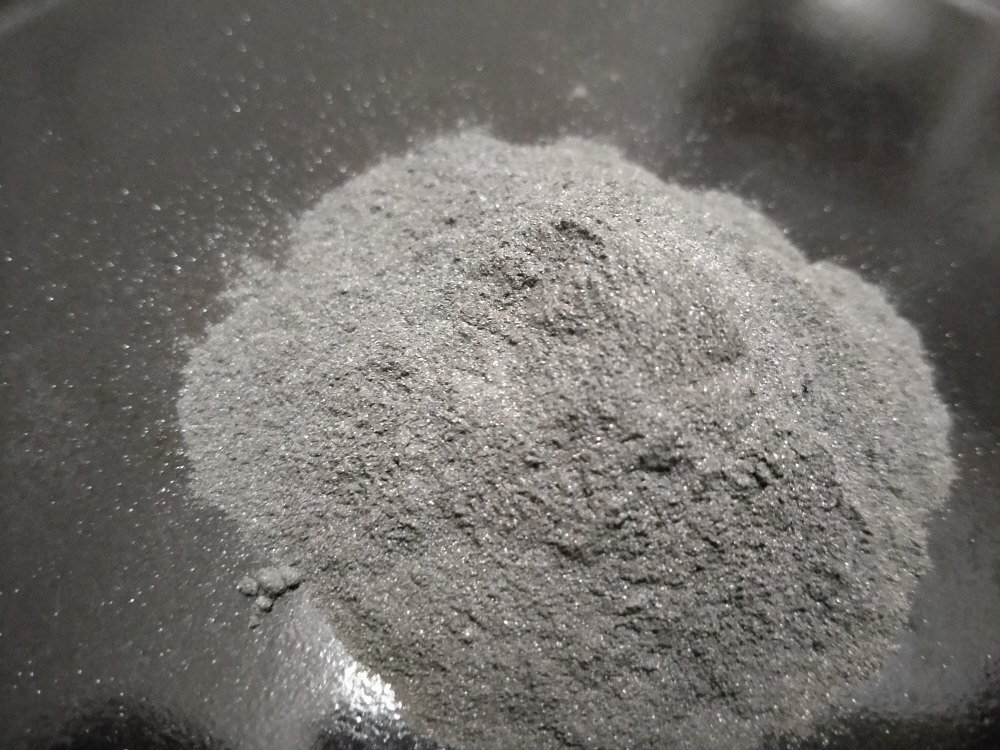
Titanium powder production is a critical aspect of various advanced manufacturing processes, including aerospace and medical applications. This process commonly involves techniques such as the Kroll method, which converts titanium dioxide ore into titanium using chemical reactions with magnesium. Understanding these methods can provide insights into the material’s properties and its role in modern technology.
In addition to traditional approaches, advancements in powder metallurgy offer promising alternatives that can enhance the efficiency and cost-effectiveness of titanium production. The potential for 3D printing and additive manufacturing has opened new doors for utilizing titanium powder, making it increasingly relevant in innovative engineering solutions.
As industries continue to embrace the advantages of titanium, exploring its production methods becomes essential for anyone interested in materials science and engineering. The impact of titanium powder on performance and safety in high-stakes applications underscores the importance of mastering these production techniques.
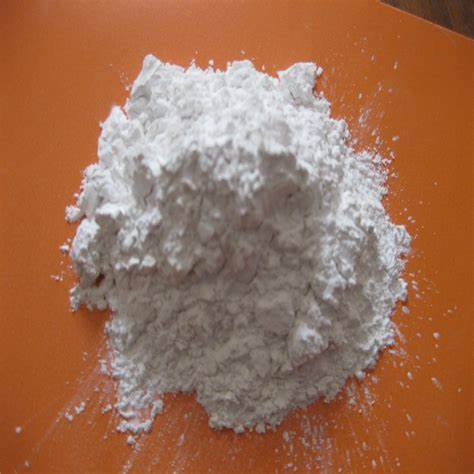
Methods of Titanium Powder Production
Various techniques are employed to produce titanium powders, each with distinctive processes and outcomes. Factors such as efficiency, cost, and quality significantly influence the choice of method.
Overview of Traditional Methods
The most widely recognized traditional method is the Kroll process. This involves chlorinating titanium dioxide (TiO2) in the presence of carbon to produce titanium tetrachloride (TiCl4), which is subsequently reduced with magnesium. This process operates at high temperatures, typically around 1040 °C.
Another conventional method is the Hydride-Dehydride (HDH) process. In this method, titanium sponge or scrap is converted into a hydride through hydrogen absorption, then dehydrogenated to yield titanium powder.
Traditional methods tend to yield powders with uniform particle sizes and good purity, but can be energy-intensive and costly.
Emerging Techniques
Recent advancements have led to innovative methods for titanium powder production. Atomic Layer Deposition (ALD) offers precise control over coating thickness and composition. This technique can produce fine powders with tailored properties suitable for advanced applications.
Additive manufacturing (AM) approaches also utilize powder production methods such as electron beam melting, which fosters new design possibilities in aerospace and biomedical sectors.
These emerging techniques often reduce production costs, enhance material performance, and broaden application scopes compared to traditional techniques.
Comparison of Methods in Terms of Efficiency, Cost, and Quality
When comparing titanium powder production methods, several factors come into play.
| Method | Efficiency | Cost | Quality |
|---|---|---|---|
| Kroll Process | Moderate | High | High purity, consistent size |
| HDH Process | High | Moderate | Good purity, varying sizes |
| Atomic Layer Deposition | High | Variable | Tailored properties |
| Additive Manufacturing | High | Variable | Depend on existing powders |
Efficiency varies by method; HDH often realizes higher yields, while traditional methods can be less efficient.
Cost considerations include raw material pricing and energy consumption, with Kroll typically being pricier.
Quality is crucial; while traditional methods offer high purity, emerging techniques provide innovative properties that may meet niche market needs.
Applications of Titanium Powder
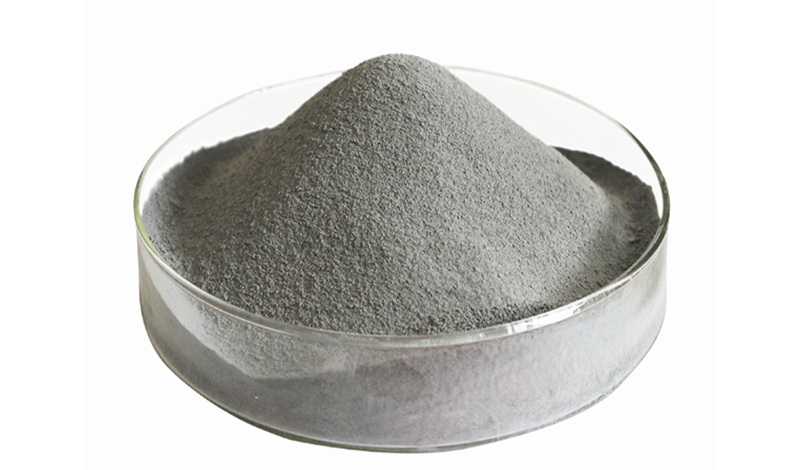
Titanium powder has diverse applications across various industries due to its remarkable properties like lightweight, strength, and corrosion resistance. Its adaptability makes it suitable for advanced manufacturing techniques and essential in critical areas such as aerospace, medical, and more.
Aerospace Industry
In the aerospace sector, titanium powder is crucial for manufacturing components that require high strength-to-weight ratios. Parts such as turbine blades, engine components, and structural elements benefit from titanium’s ability to withstand extreme temperatures and stresses.
The lightweight nature of titanium results in improved fuel efficiency for aircraft. This is significant for both commercial and military applications, where every ounce matters. Furthermore, titanium’s resistance to corrosion enhances the longevity of aerospace components.
Medical Implants and Devices
Titanium powder plays a vital role in the production of medical implants and devices. Its biocompatibility means it can integrate seamlessly with human tissue, making it ideal for orthopedic implants, dental fixtures, and various surgical instruments.
The additive manufacturing processes allow for the creation of custom-fit implants tailored to individual patient needs. This bespoke approach reduces recovery time and improves the success rates of surgeries. Additionally, the corrosion resistance of titanium ensures durability in harsh bodily environments.
Automotive and Industrial Applications
Within the automotive industry, titanium powder is increasingly utilized for high-performance components. Engine parts like valves, connecting rods, and exhaust systems benefit from the metal’s strength and light weight.
Using titanium powder reduces the overall weight of vehicles, contributing to better fuel economy and performance. In industrial settings, titanium’s applications extend to components exposed to aggressive environments, such as heat exchangers and pressure vessels.
These elements highlight titanium’s importance in producing parts that require both performance and longevity, which is crucial in competitive markets.
Additive Manufacturing and 3D Printing
Additive manufacturing, including 3D printing, has revolutionized the way titanium powder is utilized. The ability to create complex geometries and intricate designs is one of the key advantages of using titanium powder in this manner.
With reduced material waste and design flexibility, manufacturers can produce lightweight structures that were previously unachievable with traditional methods. Industries leverage this technology to create customized solutions, from aerospace to dental sectors, showcasing titanium powder’s versatility.
As the demand for advanced manufacturing techniques grows, titanium powder applications are likely to expand further, paving the way for innovation and efficiency across multiple fields.
Challenges and Innovations in Titanium Powder Production
Titanium powder production faces several challenges, notably regarding cost, energy consumption, and environmental impacts. Simultaneously, ongoing innovations are paving the way for more efficient and sustainable practices within the industry.
Current Challenges Faced in Production
The conventional Kroll process for titanium production is energy-intensive and costly. This method involves extracting titanium from ores, which results in significant embodied energy and high production costs. Additionally, the process generates a considerable amount of waste and environmental pollutants.
Another challenge is the handling of titanium powder, which can be pyrophoric, posing safety risks during production and storage. Effective passivation techniques must be employed to mitigate this risk. Moreover, the inconsistency in powder quality can impact the performance of final products, leading to further complications in manufacturing.
Innovations and Technological Advancements
Numerous innovations are emerging to address the challenges in titanium powder production. Additive manufacturing techniques, such as selective laser melting (SLM) and electron beam melting (EBM), allow for more precise control over the powder’s microstructure and properties.
Alternative methods, such as metallic powder atomization and hydride-dehydride processes, are being explored for their potential to reduce costs and energy consumption. These methods could enhance the sustainability of production practices.
Research into new alloying techniques and recycling methods is also advancing, aiming to improve material properties while minimizing waste. Such innovations are crucial for increasing the competitiveness of titanium in various applications, particularly in aerospace and medical industries.
Conclusion
Titanium powder production is a crucial aspect of modern materials science and engineering. It plays a vital role in various applications, ranging from aerospace to biomedical industries.
The techniques for producing titanium powder can be categorized into traditional and emerging methods. Traditional methods, such as the Kroll process, have been widely used, while newer methods, like the Fray-Farthing-Chen (FFC) process, are being researched for improved efficiency.
Key characteristics of titanium powder include:
- High strength-to-weight ratio: Essential for lightweight structures.
- Corrosion resistance: Useful in harsh environments.
- Biocompatibility: Important for medical implants.
Current research focuses on enhancing production methods to increase efficiency and reduce environmental impact. Innovative approaches, such as electro-reduction techniques, show promise for more sustainable titanium extraction.
With ongoing advancements, the future of titanium powder production looks promising, positioning it at the forefront of material innovation. Continuous improvements will likely lead to broader applications and greater demand in various sectors.