
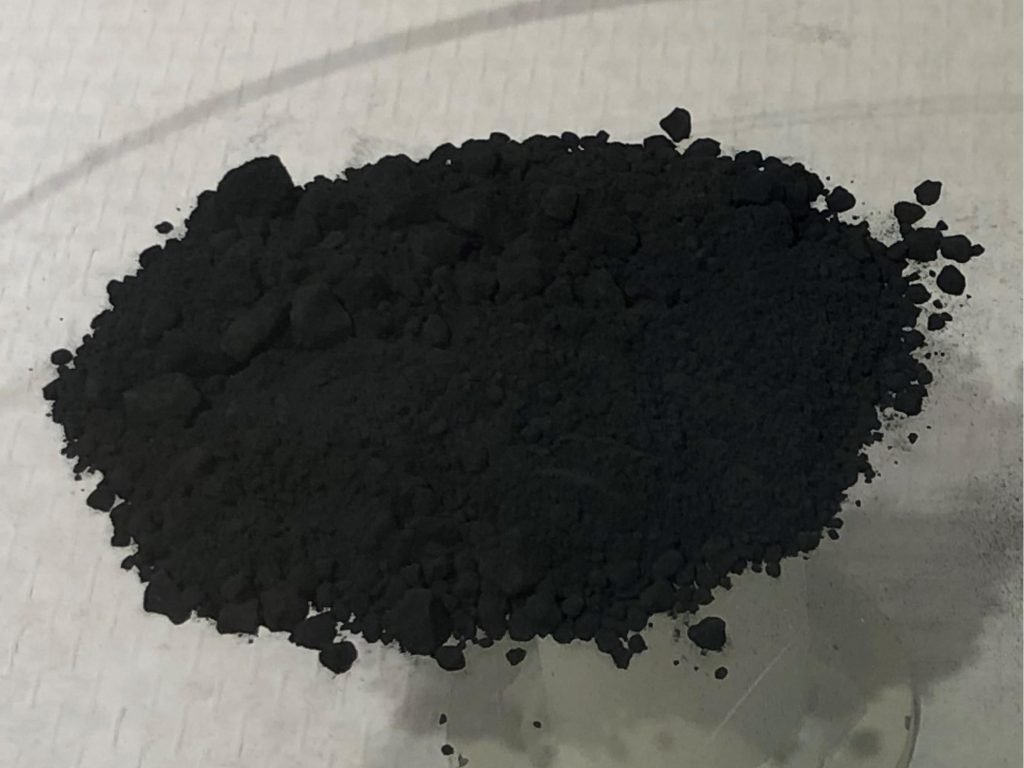
The price of tungsten powder per kilogram is a critical concern for industries utilizing this heavy metal, renowned for its high density and melting point. As of November 5, 2024, tungsten powder is priced between $43.5 and $44.5 USD per kilogram, reflecting its status as a valuable commodity in manufacturing and technology sectors. Understanding current pricing trends can significantly impact production costs and strategic sourcing decisions.
Tungsten’s unique properties make it essential for producing hard materials and electronic components, driving demand across various applications. As markets evolve and geopolitical factors come into play, prices may fluctuate, influencing everything from mining operations to end-user costs.
Staying informed about tungsten powder pricing not only aids businesses in budgeting but also equips them to navigate market changes effectively. Insight into these price dynamics enables better decision-making and enhances competitiveness in an increasingly complex global economy.
Factors Influencing Tungsten Powder Prices
Several critical elements play a significant role in determining tungsten powder prices. Understanding these factors can provide valuable insights for industry stakeholders and buyers.
Global Supply and Demand Dynamics
The interplay between global supply and demand significantly affects tungsten powder pricing. Tungsten is mainly sourced from a few countries, with China being the largest producer.
When demand increases, especially from industries like aerospace and manufacturing, prices tend to rise. Conversely, if supply outstrips demand, prices may drop. Seasonal fluctuations and market trends also impact this balance, as buyers adjust their purchases based on forecasted consumption.
Key points to consider:
- Major suppliers: China, Vietnam, and Russia.
- Demand sectors: aerospace, defense, electronics.
Mining and Production Costs
Mining and production costs are fundamental in establishing tungsten powder prices. Factors such as labor costs, energy prices, and mining technology influence these costs.
For instance, advancements in extraction technology can lower operational expenses, potentially leading to lower market prices. Conversely, if energy costs increase or labor becomes more expensive, producers may raise prices to maintain margins. This cost structure varies among different regions, affecting local prices.
Factors affecting production costs:
- Energy prices: Oil and electricity costs impact mining operations.
- Labor rates: Wage variations across countries influence overall expenses.
Impact of Geopolitical Factors on Pricing
Geopolitical factors significantly influence tungsten prices. Political stability in major tungsten-producing countries plays a crucial role in maintaining consistent supply chains.
Trade policies, sanctions, and international relations can lead to supply disruptions. For example, if a country imposes restrictions on tungsten exports, it may cause a substantial price spike in the global market. Furthermore, environmental regulations may also impact mining practices and costs, directly affecting prices.
Considerations include:
- Trade agreements: Tariffs can alter competitive dynamics.
- Stability: Political unrest can disrupt supply.
Technological Advancements in Tungsten Extraction and Processing
Technological advancements in tungsten extraction and processing can lead to more efficient operations. Innovations such as improved separation techniques and recycling methods can reduce waste and lower costs.
Increased efficiency not only affects production costs but also environmental impact, which is becoming a growing concern for industries. As companies adopt these technologies, they can potentially influence market prices by enhancing supply capabilities.
Notable advancements:
- Improved extraction methods: Higher yields from existing mines.
- Recycling: Utilizing scrap tungsten can meet demand without new mining.
Historical Price Trends of Tungsten Powder
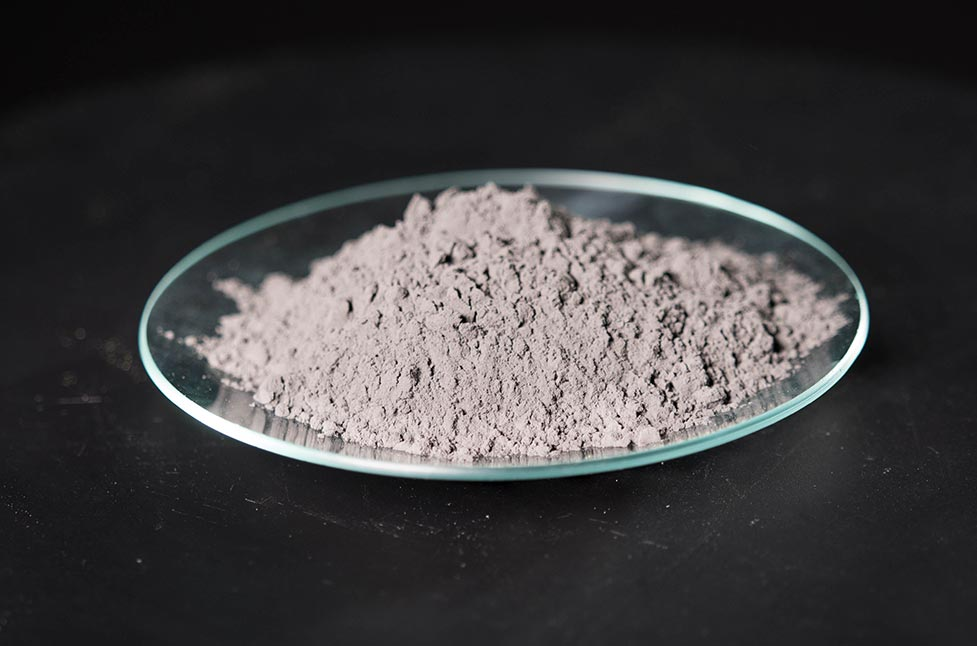
Tungsten powder has exhibited notable price trends influenced by various market dynamics over the years. Understanding these trends involves analyzing fluctuations, identifying key events that shaped the market, and comparing tungsten powder prices with those of other metal powders.
Analysis of Price Fluctuations Over the Past Decade
The price of tungsten powder has shown significant fluctuations in the past decade. In 2014, prices averaged around CNY 309.5 per kg, correlating with high demand in industrial applications.
Prices peaked in 2018, reaching approximately $30,300 per metric ton. Since then, there has been a gradual decline, with averages in 2023 around $260 per metric ton of tungsten trioxide. This reflects a decrease of about 5.5% compared to the previous year. Variability in supply and shifts in demand have greatly impacted these trends, often responding to global market conditions.
Key Events That Have Influenced Price Changes
Several key events have significantly impacted tungsten powder prices. For instance, geopolitical tensions in major producing countries affect supply stability. Additionally, changes in mining policies within China, the largest producer, have had a direct effect on global prices.
Trade tariffs and rising production costs have also contributed to market volatility. The COVID-19 pandemic introduced further disruptions to supply chains, resulting in increased demand as industries resumed operations. Such events have led to abrupt price surges or declines, showcasing tungsten’s sensitivity to external factors.
Comparison with Other Metal Powders
When comparing tungsten powder to other metal powders, notable differences emerge. For example, while tungsten prices have experienced fluctuations, powders like titanium and aluminum have had more stable pricing.
The relatively high price of tungsten, coupled with its unique properties, maintains its value in specialized applications. Tungsten powder often prices higher due to its superior strength and high-temperature resistance compared to other metal powders, making it favorable for niche industries.
In recent years, industry-specific demand for tungsten has outpaced other metals, leading to a distinctive market position for tungsten powder.
Current Market Analysis
The analysis of the tungsten powder market reveals recent price trends, regional differences affecting costs, and future predictions that provide insight for stakeholders. Understanding these dynamics is essential for informed decision-making.
Recent Price Per Kilogram of Tungsten Powder
As of November 5, 2024, tungsten powder is priced between 43.5 and 44.5 USD per kilogram, with specific market reports indicating an average price around 44 USD/kg. This stability reflects ongoing demand in industries such as electronics and manufacturing.
According to the Shanghai Metals Market, regular updates on prices suggest minor fluctuations influenced by supply chain factors and changing inventory levels. Historical trends indicate that prices have seen increases due to geopolitical tensions and mining output limitations.
Regional Price Variations and Their Causes
Price variations in tungsten powder can be attributed to geographical supply differences, production costs, and local market demand. For instance, prices in China, a leading tungsten producer, typically range lower than those in the United States and Europe, where mining and processing costs are higher.
Factors contributing to these variations include:
- Production costs: Higher operational costs in developed regions lead to elevated prices.
- Export tariffs: Some countries impose tariffs that can significantly affect market prices.
- Consumption rates: Industrial demands in emerging markets may drive prices up as competition for resources intensifies.
Predictions for Future Price Trends Based on Market Analysis
Market analysts anticipate a potential increase in tungsten powder prices over the next few years. Factors driving this trend include:
- Increased demand: Industries such as aerospace and defense are expected to require more tungsten for their applications.
- Supply constraints: Reduced production capacities due to environmental regulations could limit availability.
- Technological advancements: Innovations in production could alter market dynamics, impacting pricing.
Analysts from firms like IMARC Group predict a continuous upward trajectory in tungsten prices, complicating supply chain operations. These insights inform stakeholders on potential strategies to mitigate risks associated with price fluctuations, ensuring stable production and procurement processes.
Conclusion
Understanding the fluctuations and influences on tungsten powder prices is crucial for stakeholders in various industries. The following subsections will detail the main aspects of these price dynamics, their implications for industries, and the importance of continuous market awareness.
Summary of Key Points Discussed
The current market for tungsten powder is characterized by notable price variability. As of November 5, 2024, tungsten powder prices ranged between $43.5 to $44.5 per kg. Factors such as global supply chain changes, regional demand, and geopolitical influences significantly impact these prices. Stakeholders should pay close attention to historical price trends, including fluctuations observed in China and Europe. Understanding these trends assists in making informed purchasing decisions.
Implications of Tungsten Powder Pricing for Industries
The pricing of tungsten powder has direct implications for industries that rely heavily on this metal, including electronics, aerospace, and manufacturing. When prices rise, production costs typically increase, affecting profit margins. For example, if tungsten prices soar above average, manufacturers might need to pass these costs onto consumers. Conversely, stable or decreasing prices can enable industries to invest in innovations and capacity expansions. Companies involved in tungsten mining and processing also face these dynamics as they plan their production and operational strategies.
Final Thoughts on the Importance of Staying Informed About Market Trends
Staying informed about tungsten powder market trends is essential for making strategic business decisions. Companies that monitor price changes and supply conditions are better positioned to capitalize on opportunities and mitigate risks. Furthermore, timely information allows businesses to adapt their procurement strategies according to market fluctuations. Regular updates and historical data can aid stakeholders in understanding potential future pricing scenarios, thus facilitating proactive planning and budget management.