
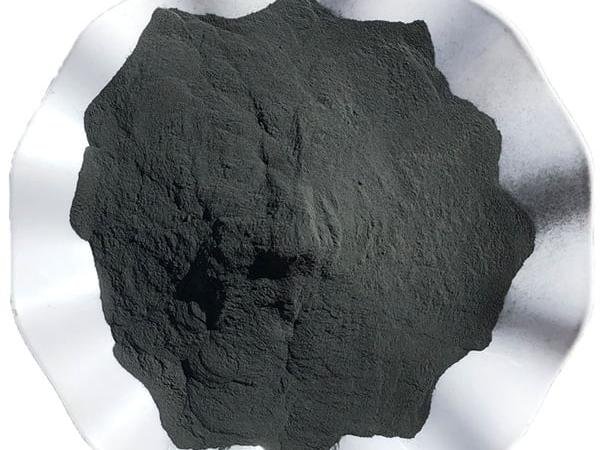
Titanium powder has emerged as a crucial material in various high-tech applications due to its unique characteristics. It is valued for its high strength-to-weight ratio, corrosion resistance, and biocompatibility, making it ideal for industries ranging from aerospace to biomedical technology. This finely divided metal enables advanced manufacturing processes such as additive manufacturing and metal injection molding, allowing for the production of intricate parts with precision.
The methods of producing titanium powder have evolved, incorporating techniques like gas atomization and hydride-dehydride processing. Each method impacts the powder’s properties, which can be tailored for specific applications. Understanding these differences is essential for industries seeking optimal performance from titanium components.
As the demand for lightweight and durable materials continues to rise, titanium powder is positioned to play a significant role in innovation across various sectors. Engaging with the possibilities this material offers might inspire new ideas and solutions for engineering challenges.
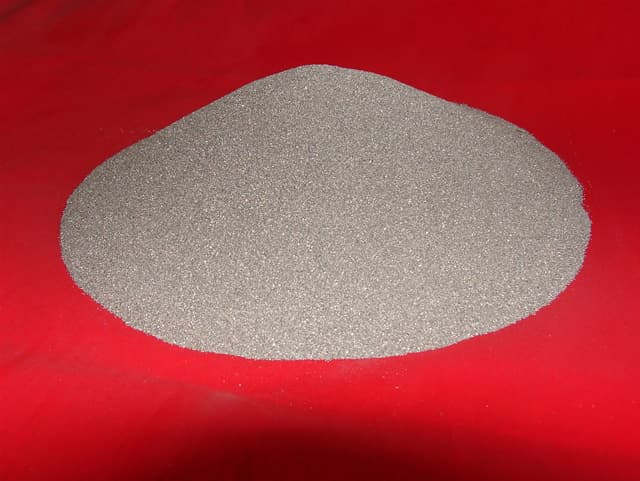
Properties of Titanium Powder
Titanium powder possesses unique and advantageous properties that make it suitable for various applications. Understanding its physical and chemical characteristics, comparisons with other metal powders, and the benefits of its use is essential for industries that rely on advanced materials.
Physical and Chemical Characteristics
Titanium powder is characterized by a high strength-to-weight ratio, making it an attractive option for applications where weight reduction is crucial. Its density typically ranges from 4.43 to 4.51 g/cm³, which is relatively low compared to other metals.
Chemically, titanium exhibits excellent corrosion resistance, particularly against saline and acidic environments. This trait is largely due to the formation of a protective oxide layer on the powder’s surface, enhancing its durability. The melting point of titanium is around 1,668°C, and it maintains structural integrity at elevated temperatures, which is beneficial in aerospace and automotive industries.
Comparison with Other Metal Powders
When compared to other metal powders, titanium displays superior mechanical properties. For example, titanium has a higher tensile strength than aluminum and many steels, providing more robust performance for demanding applications.
In terms of lightness, titanium is significantly stronger than many conventional metals, such as brass and cast iron, while still being lighter. These qualities make titanium a preferred choice in sectors that prioritize material efficiency, such as the aerospace and biomedical fields. While its cost may be higher, the long-term benefits often outweigh initial expenses when considering durability and performance.
Advantages of Using Titanium Powder
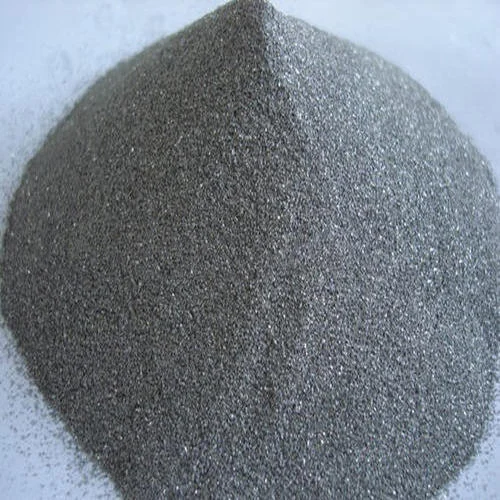
The advantages of titanium powder are critical for industries exploring advanced manufacturing techniques. Its biocompatibility makes it suitable for medical implants, as it minimizes the risk of rejection in biological environments.
Additionally, titanium powder exhibits exceptional fatigue resistance, allowing components to withstand cyclic loading without failure. The powder metallurgy process utilized for titanium also enables the creation of complex geometries without significant material waste.
Other notable advantages include excellent thermal stability and resistance to oxidation, which make titanium powder a reliable choice for high-performance applications in extreme environments. The combination of these properties allows for innovative designs that enhance operational efficiency across various sectors.
Production Methods
The production of titanium powder involves several techniques, each offering unique benefits and limitations. Understanding these methods, along with the factors influencing their selection and the quality control measures necessary, is crucial for effective production.
Overview of Common Production Techniques
Titanium powder can be produced using various methods, with each technique adapting to specific requirements. Some common techniques include:
- Hydride-Dehydride (HDH) Process: This method converts titanium sponge or scrap into a hydride, followed by dehydrogenation to obtain titanium powder. It is known for its cost-effectiveness.
- Plasma Atomization (PA): In this process, titanium wire is atomized using plasma jets to produce pure spherical powders. The diameter of particles typically ranges from 0 to 200 μm, making it suitable for high-temperature applications.
- Selective Laser Melting (SLM): This additive manufacturing technique uses a high-power laser to fully melt titanium powder, enabling the production of complex geometries. While it offers design flexibility, the cost and required equipment can be significant.
Factors Influencing the Choice of Production Method
Several factors dictate the choice of production method for titanium powder. These include:
- Desired Particle Size and Shape: Different techniques yield varying particle sizes and shapes, affecting the end product’s properties.
- Cost Considerations: Production costs can vary widely. Techniques like HDH may be more economical, while advanced methods such as SLM require higher investment.
- Purity Requirements: The intended application often dictates purity levels. Methods like plasma atomization produce highly pure powders, essential for aerospace and medical applications.
- Production Volume: High-volume production might favor cost-effective methods, while small batch needs may allow for the use of more sophisticated techniques.
Quality Control Measures in Production
Maintaining quality during the production of titanium powder is vital. Key measures include:
- Particle Size Distribution Analysis: Regular checks ensure that the produced powder meets specified size requirements.
- Chemical Composition Testing: Techniques such as X-ray fluorescence (XRF) can verify the composition of titanium powder, ensuring it meets industry standards.
- Microstructural Examination: Advanced methods like scanning electron microscopy (SEM) can evaluate the microstructure of the powder for uniformity and defects.
- Process Monitoring: Continuous monitoring of production parameters helps maintain consistency and detect anomalies early in the process.
Applications of Titanium Powder
Titanium powder has diverse applications across various industries due to its superior properties. Its unique characteristics, including high strength-to-weight ratio and excellent corrosion resistance, make it suitable for numerous advanced applications.
Use in Additive Manufacturing and 3D Printing
Titanium powder is pivotal in additive manufacturing, specifically in processes like selective laser sintering (SLS) and electron beam melting (EBM). These techniques allow for the creation of complex geometries that traditional manufacturing cannot achieve.
The use of titanium powder enables the production of lightweight, strong components that meet precise specifications. Industries utilize these capabilities for rapid prototyping and customized parts, particularly in aerospace and automotive applications.
In addition, titanium’s biocompatibility allows its use in producing medical implants using 3D printing, tailored for individual patient needs.
Role in Aerospace and Automotive Industries
In the aerospace industry, titanium powder plays a critical role in manufacturing lightweight yet durable components. It is essential for parts that require high strength under extreme conditions, such as engine components and structural elements.
The automotive sector also harnesses titanium powder for parts that demand high performance and reduced weight. Its use enhances fuel efficiency and overall vehicle performance, making it attractive for manufacturers focused on sustainability.
The combination of titanium’s mechanical properties and powder metallurgy techniques facilitates the production of complex shapes and designs that optimize functionality.
Applications in Medical Devices and Implants
Titanium powder is extensively used in the medical field for manufacturing implants and devices. Its excellent biocompatibility means it can be safely used inside the human body without adverse reactions.
The powder is processed into various forms, such as porous structures that promote bone ingrowth. This feature is particularly valuable for orthopedic and dental implants, ensuring better integration with the body.
Furthermore, additive manufacturing allows for personalized solutions, where implants can be designed specifically for individual patients based on unique anatomical requirements.
Emerging Uses in Other Sectors
Beyond the traditional applications, titanium powder is finding new opportunities in sectors like energy and defense. In the energy sector, its lightweight nature is advantageous for manufacturing components in renewable energy systems such as wind turbines.
In defense applications, titanium powder is utilized for producing strong, lightweight parts that must withstand harsh environments. The unique properties of titanium powder help ensure the reliability and performance of critical equipment.
As technology evolves, new methods for using titanium powder in various fields continue to emerge, showcasing its versatility and potential.
Conclusion
Titanium powder plays a crucial role in modern manufacturing and materials science. Its applications are expanding rapidly due to its unique properties, which contribute to advancements across various industries. This section will explore the significance of titanium powder, future innovations, and its potential impacts.
Recap of the Importance of Titanium Powder
Titanium powder is vital in the production of lightweight, durable materials. It is widely used in aerospace, medical, and automotive sectors due to its high strength-to-weight ratio and excellent corrosion resistance. Furthermore, titanium powder metallurgy allows for near-net-shape parts, reducing waste and lowering production costs. Companies like Sandvik have pioneered the development of high-quality titanium powders, enhancing the feasibility of additive manufacturing. This versatility enables the efficient production of complex components that are both reliable and cost-effective.
Future Trends and Developments in Titanium Powder Applications
The future of titanium powder is promising, with ongoing research focusing on improving production techniques and broadening its applications. Innovations in additive manufacturing are paving the way for more intricate designs and optimized components. Additionally, advancements in powder recycling methods are expected to lower material costs and enhance sustainability. The biocompatibility of titanium powder will likely result in further developments in the medical field, particularly in implants and prosthetics. As industries push for more efficient and sustainable materials, titanium powder’s role will continue to expand.
Final Thoughts on Its Potential Impact on Various Industries
The influence of titanium powder on various industries cannot be understated. Its unique characteristics allow for significant enhancements in product performance, particularly in high-stress environments. In aerospace, lighter components lead to fuel efficiency and reduced emissions. In healthcare, improved implant materials can enhance patient outcomes. As titanium powder technologies evolve, they will contribute to the development of innovative solutions that meet the complex demands of the modern world, ensuring its status as a critical material in future engineering projects.