
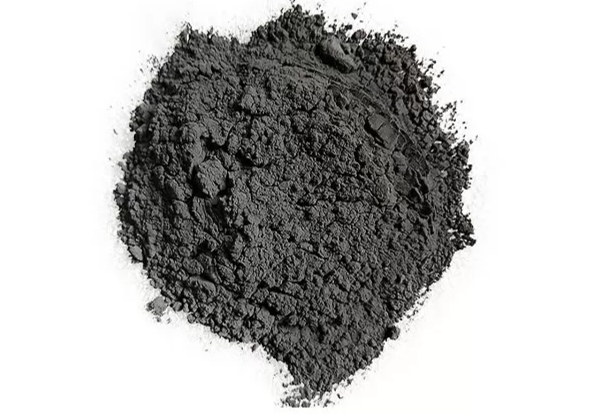
Tungsten metal powder is a highly versatile material known for its exceptional properties. This powder exhibits high density, excellent thermal and electrical conductivity, and outstanding hardness, making it ideal for numerous industrial applications. It is used in the creation of electrical contacts, munitions, radiation shielding, and various alloys.
The demand for tungsten powder has been rising due to its unique characteristics that allow for innovative advancements in technology and manufacturing.
As industries continue to evolve, understanding the crucial role of tungsten metal powder becomes increasingly important. Readers can expect to discover the various applications, benefits, and sourcing options available, providing insights into why this material is fundamental to modern engineering and technology.
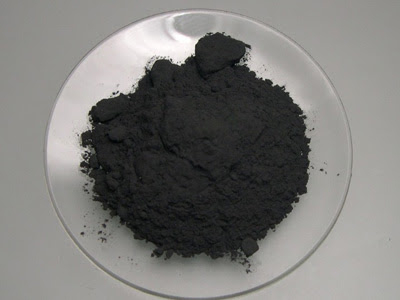
Properties Of Tungsten Carbide Thermal Spray Powder
Tungsten carbide thermal spray powder is known for its excellent wear resistance and robust mechanical properties. This section will detail its composition and characteristics, the advantages of using tungsten carbide in thermal spray applications, and how it compares with other thermal spray materials.
Composition And Characteristics
Tungsten carbide thermal spray powder primarily consists of tungsten and carbon, forming a strong interstitial compound. The typical composition varies, with some powders incorporating cobalt or chromium for enhanced performance.
Key characteristics include:
- Hardness: Tungsten carbide is one of the hardest known materials, providing exceptional wear resistance.
- Density: It has a high density, which helps in creating coatings that are both durable and effective.
- Microstructure: The powder’s microstructure can be tailored during production, affecting the coating’s final properties.
These attributes make tungsten carbide suitable for various demanding applications.
Advantages Of Using Tungsten Carbide In Thermal Spray Applications
Using tungsten carbide in thermal spray applications offers numerous benefits:
- Wear Resistance: The high hardness and toughness provide substantial resistance to wear and abrasion, extending the life of coated components.
- Thermal Stability: Tungsten carbide can withstand high temperatures, up to approximately 510°C (950°F), without degrading.
- Versatility: It can be used in various environments, from aerospace to mining, due to its ability to handle stress and impact effectively.
These advantages make it a preferred choice for industries requiring durable surface coatings.
Comparison With Other Thermal Spray Materials
When compared to other thermal spray materials, tungsten carbide stands out for several reasons:
- Durability: It generally offers superior wear resistance compared to materials like aluminum or zinc.
- Temperature Resistance: Tungsten carbide can maintain performance in high-temperature environments where softer materials may fail.
- Cost-Effectiveness: While the initial cost may be higher, the longevity of tungsten carbide coatings often results in lower long-term maintenance costs.
This comparison highlights the suitability of tungsten carbide for critical applications requiring extended exposure to wear and thermal stress.
Applications Of Tungsten Carbide Thermal Spray Powder
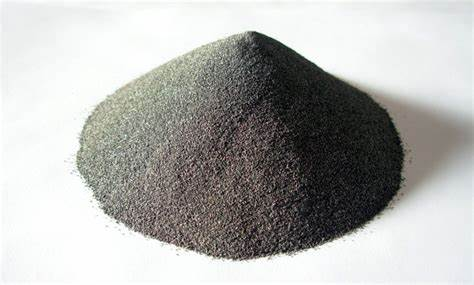
Tungsten carbide thermal spray powder is primarily utilized in various industrial applications, providing protective coatings and enhancing the lifespan of components. Its exceptional hardness and resistance to wear make it a valuable asset across multiple sectors.
Industrial Applications
Tungsten carbide thermal spray powder is widely employed in industries such as mining, construction, and manufacturing. It is often used to coat tools and equipment that experience high levels of wear and tear.
For instance, drilling equipment and cutting tools benefit significantly from tungsten carbide coatings, which enhance their performance and durability. This application reduces downtime caused by tool replacements and maintenance, ultimately improving productivity.
Typical industrial components that utilize thermal spray powders include:
- Drill bits
- Saw blades
- Mining equipment
- Wear parts for manufacturing systems
These applications highlight the effectiveness of tungsten carbide in extending the operational lifespan of critical industrial tools.
Protective Coatings And Wear Resistance
The primary advantage of applying tungsten carbide thermal spray powder lies in its ability to provide exceptional protective coatings. These coatings offer resistance to wear, corrosion, and thermal degradation, making them suitable for extreme operating conditions.
In the aerospace and automotive sectors, thermal spray coatings are vital for engine components and other high-performance parts. The coatings help withstand harsh chemical environments and high temperatures, reducing the risk of failure.
Key benefits of tungsten carbide coatings include:
- High hardness: Protects against abrasive wear.
- Corrosion resistance: Extends the life of components exposed to corrosive substances.
- Thermal stability: Maintains performance under high-temperature conditions.
Such properties make tungsten carbide an ideal choice for protective coatings in critical applications.
Role In Enhancing The Lifespan Of Components
Tungsten carbide thermal spray powder plays a significant role in enhancing the lifespan of various components through its unique properties. By applying a thin protective layer, it effectively mitigates wear and reduces the frequency of repairs.
The application of tungsten carbide can lead to:
- Extended service life of equipment.
- Reduced maintenance costs.
- Improved efficiency in operations.
This longevity is particularly beneficial in industries where equipment failure can lead to significant financial losses. By investing in tungsten carbide coatings, companies can ensure their equipment remains operational under demanding conditions, thus securing a competitive advantage.
The Thermal Spray Process
The thermal spray process is integral to applying tungsten carbide coatings. It involves various techniques and strict adherence to quality control measures. This section explores the essential aspects that define the process, from techniques to evaluation standards.
Overview Of Thermal Spray Techniques
Thermal spray techniques encompass several methods, each with unique characteristics. The most common techniques include High Velocity Oxy-Fuel (HVOF), Wire Arc Spray, and Plasma Spray.
- HVOF: Utilizes high-pressure fuel gas and oxygen to achieve extremely high temperatures, allowing for dense coatings.
- Wire Arc Spray: Involves melting metal wire through electrical arcs, providing a faster application but typically with lower density.
- Plasma Spray: Uses an electrical arc to create plasma, enabling precise control over coating composition.
Each method is suited for specific applications, influencing adhesion, thickness, and microstructure of the coated layers.
Preparation And Application Of Tungsten Carbide Powder
Before application, preparation of tungsten carbide powder is vital. This powder is calibrated based on particle size and morphology to ensure optimal performance.
The process requires the following steps:
- Powder Selection: Choosing appropriate tungsten carbide powder size affects the coating’s final hardness and wear resistance.
- Surface Preparation: The substrate must be cleaned and often roughened to enhance bonding during application.
- Spraying: The selected method is then applied, where powder particles are accelerated towards the substrate at high velocities, creating a strong bond upon impact.
Attention to detail in each step yields a coating that withstands high wear and corrosion.
Quality Control And Performance Evaluation
Quality control is crucial in the thermal spray process. It ensures that the coatings meet performance specifications required for their intended applications.
Key evaluation methods include:
- Adhesion Testing: Measures the bond strength between the coating and substrate.
- Microstructural Analysis: Examines the coating’s microstructure using techniques like scanning electron microscopy (SEM).
- Wear Tests: Assess wear resistance under simulated operational conditions.
Consistent quality checks throughout the application process contribute to the longevity and reliability of tungsten carbide coatings.
Conclusion
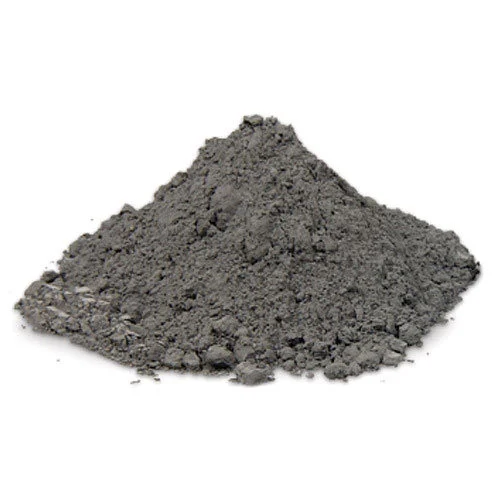
Tungsten metal powder plays a crucial role in various industrial applications, particularly in thermal spray technology. Its unique properties contribute significantly to advancements in manufacturing and material science. The subsequent subsections detail the relevance of tungsten carbide, future trends in thermal spray technology, and its impact on industrial applications.
Recap Of The Significance Of Tungsten Carbide Thermal Spray Powder
Tungsten carbide thermal spray powder has become essential due to its exceptional hardness and wear resistance. Its applications span numerous industries, including aerospace, automotive, and mining.
The thermal spray process enhances the durability of components, allowing them to withstand extreme conditions. Consequently, manufacturers increasingly utilize tungsten carbide to improve the lifespan of tools and machinery. This material is particularly valued in applications requiring superior surface properties and reliability.
Future Trends In Thermal Spray Technology
Future trends indicate a growing emphasis on advanced thermal spray technologies, with a focus on sustainability and efficiency. As industries face increasing environmental regulations, manufacturers are exploring eco-friendly spray processes. Innovations in tungsten powder formulations are likely to enhance thermal conductivity and reduce waste.
Additionally, automation and digital tools will continuously improve the precision and effectiveness of thermal spray applications. Advancements in understanding material behaviors and properties can lead to improved coating techniques, ensuring better adhesion and performance.
Final Thoughts On The Impact Of Tungsten Carbide In Industrial Applications
The impact of tungsten carbide in industrial applications is profound. Its high density and melting point provide advantages in various high-performance environments.
Companies that adopt tungsten carbide solutions can achieve enhanced operational efficiency and product longevity. The ongoing research and development in this area promise to unlock new potentials, ensuring that tungsten remains a pivotal material in shaping future industrial processes.